by Charles Morgan for CoinWeek…
The collectibles market continues to attract significant attention from both enthusiasts and investors, offering tangible assets with the potential for substantial appreciation. Within this landscape, rare coins and sports cards stand out as two prominent categories, each boasting unique historical significance, market dynamics, and investor appeal.
Over the past four decades, the market for high-value collectibles has undergone a significant transformation, evolving from a niche hobby to a recognized asset class. Driving this evolution is a combination of historical allure, scarcity, and a growing appreciation for tangible assets, particularly amid economic uncertainties.
While both coins and cards have experienced a surge in collector and investor interest in recent years, their propositions are fundamentally different. They are both related to popular history and are portable, but their similarities end there.
Key Differences Between Coins and Sports Cards
Many coins contain precious metals, which provide them with a base value, even if it’s insignificant compared to their numismatic value. Sports cards, on the other hand, are typically printed on paper, which lacks intrinsic value.
Another stark difference lies in their history and purpose. Coins have been minted for nearly 2,700 years and have served as monetary units for cities, countries, or groups of nations. In contrast, the first baseball cards appeared in the 1860s and primarily depict individual players whose careers—and thus their impact on the sport—typically span only a few years or decades.

Reinforcing the rare coin market is numismatics, the study of coins, paper money, and medals. Organizations like the American Numismatic Association (ANA) and the American Numismatic Society play a crucial role in supporting the rare coin market through educational programs, conventions, and publications, fostering a knowledgeable collector base.
The sports card community has yet to establish a national collector organization; however, the National Sports Collectors Convention (The National) is by far the largest and most significant event in the sports card collecting world, attracting tens of thousands of collectors, dealers, and professionals from around the globe. The hobby also supports numerous local and regional shows, clubs, and publications.
The study of sports cards is evolving, but some critical information, such as print runs for different products, is typically kept confidential by the companies that produce the cards. Because this information is not widely known, collectors and researchers must rely on inferences when determining the scarcity of cards. This also hinders the hobby’s ability to conduct scholarly research.
A network of reputable auction houses and grading services supports both collecting categories, with some companies leading the market in coin and card grading. The companies that own PCGS and NGC, two of the most prominent grading companies in the rare coin industry, also grade cards. Heritage Auctions, the world’s third-largest auction company, is the leading auction house in both categories. Other leading coin auction houses include Stack’s Bowers and GreatCollections. Meanwhile, Goldin and REA Auctions are the second- and third-leading card auction firms, respectively.
With these factors in mind, let’s review recent auction performance and market trends for both categories over the 2024-2025 period, noting market factors that collectors and investors should be aware of.
Rare Coins Market Landscape
The market’s stability is underpinned by the intrinsic value of precious metals, coupled with the unique numismatic value derived from rarity, historical significance, and condition. In the rare coin market, professional grading services are indispensable, providing authentication and standardized grading that instill confidence and liquidity in transactions.
The sports card market, encompassing trading cards and memorabilia, has experienced a remarkable resurgence, evolving into a multi-billion-dollar industry that attracts a diverse demographic of collectors, investors, and enthusiasts worldwide. This market’s growth is fueled by a combination of nostalgia, particularly among Gen X, Millennials, and Gen Z, who increasingly prefer tangible assets in a world that is becoming more digital and subscription-based. Significant technological advancements, including online trading platforms, blockchain integration for verifiable ownership (NFT-backed physical cards), and the emergence of vending machines for easier access, have democratized the hobby and expanded its reach. Professional grading services, such as PSA (Professional Sports Authenticator) and SGC (Sportscard Guaranty Corporation), are vital for authenticating and valuing cards, with demand for their services consistently high.
Recent Auction Performance (2024-2025)
Analyzing recent auction results provides a tangible measure of market activity and the prices realized for high-value items within each category.
Rare Coin Auction Highlights:
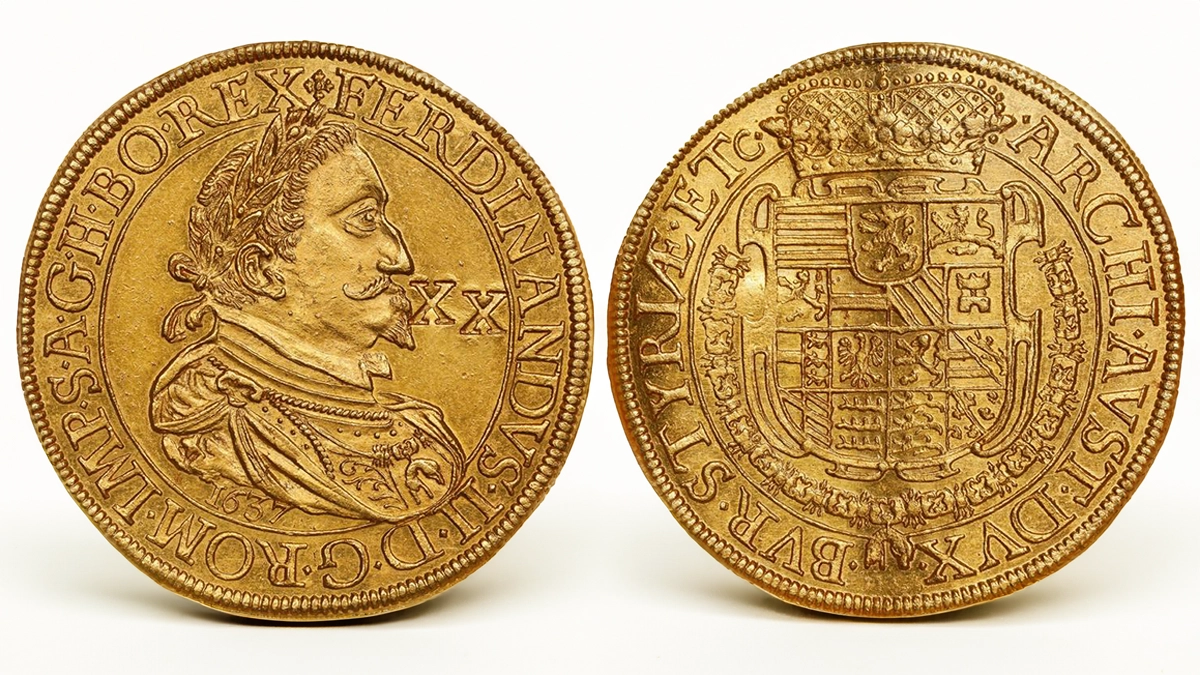
The rare coin market demonstrated robust activity through major auction houses in 2024 and the early part of 2025. Stack’s Bowers Galleries’ 2025 New York International Numismatic Convention (NYINC) Auction, for instance, realized a total of $12,398,470 across ancient coins, world coins, and world currency categories. Notable sales from this event included a colossal 1637 Austrian 20 Ducats of Ferdinand II, which fetched $360,000, and a 1639 Hungarian 10 Ducats that sold for $192,000. The auction also highlighted the strength of European coinage with a Proof Napoleon 40 Francs reaching $144,000, and Latin American paper money, exemplified by an 1811 Venezuelan 8 Pesos selling for $60,000. This consistent performance across diverse numismatic categories underscores a broad and sustained interest in rare coins globally.
Heritage Auctions reported substantial total sales for U.S. coins in 2024 and 2025. The January 2025 FUN US Coins Signature Auction alone generated $62,760,212.80 from 3,695 lots. The firm’s August 2024 ANA U.S. Coins Signature Auction realized $36,447,290.40, and its May 2024 CSNS U.S. Coins Signature Auction totaled $27,035,486.20. These multi-million dollar auction totals indicate a vibrant market with strong capital flow, especially for major rarities and Set Registry coins.
Individual high-value coin sales in 2024 further illustrate the market’s strength:
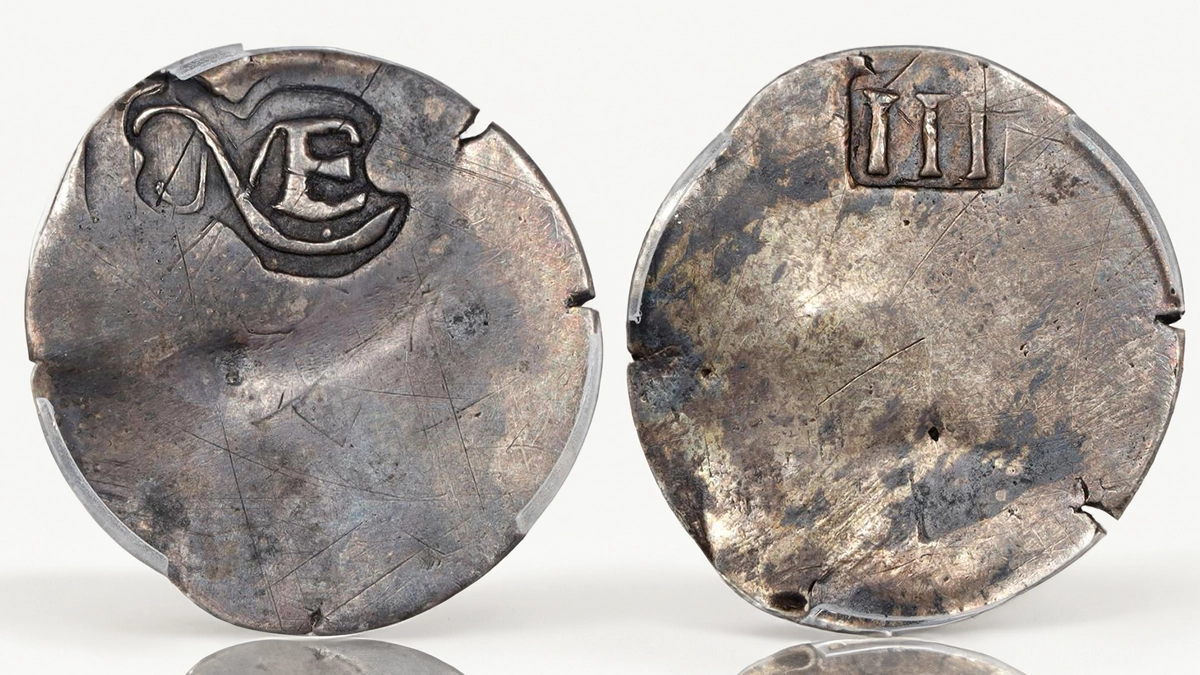
- A (1652) NE Threepence, graded PCGS XF45, sold for $2,520,000 in November 2024 through Stack’s Bowers Galleries.
- A 1870-CC Liberty Head Double Eagle, graded PCGS AU55, realized $1,440,000 in November 2024 at Stack’s Bowers Galleries.
- Tied for the third-highest, a 1850 Baldwin & Co. $10 (PCGS MS63+) and a 1855 $50 Kellogg & Co. Fifty Dollar (PCGS PR64CAM) both sold for $1,260,000 in November 2024 and January 2024, respectively, through Stack’s Bowers Galleries and Heritage Auctions.
- An 1825/4/1 Capped Head Left Half Eagle (PCGS PR62) achieved $1,080,000 in August 2024 at Stack’s Bowers Galleries.

The consistent occurrence of multi-million-dollar sales and the high total values from major auctioneers like Heritage and Stack’s Bowers underscore a robust and competitive market. The continued offering of specific, significant collections, such as the COL Steven K. Ellsworth Collection of US Large Cents and the Walter J. Husak Collection, underscores the sustained availability of premier numismatic properties and the strong demand for them. This environment suggests that the rare coin market continues to maintain its appeal to serious collectors and high-net-worth investors, who are willing to pay top prices for authenticated, high-grade examples.
Sports Card Auction Highlights:
The sports card market also experienced significant auction activity and record-breaking sales in 2024 and 2025, particularly for iconic and ultra-modern cards. Heritage Auctions reported substantial figures for its sales of sports and non-sports trading cards. The August 2024 Platinum Night Sports Auction alone generated $61,645,972, followed by the February 2025 Platinum Night Sports Auction with $24,636,800, and the December 2024 Sports Catalog Auction with $23,588,275. These figures demonstrate a high volume of transactions and substantial capital flowing into the sports collectibles sector.
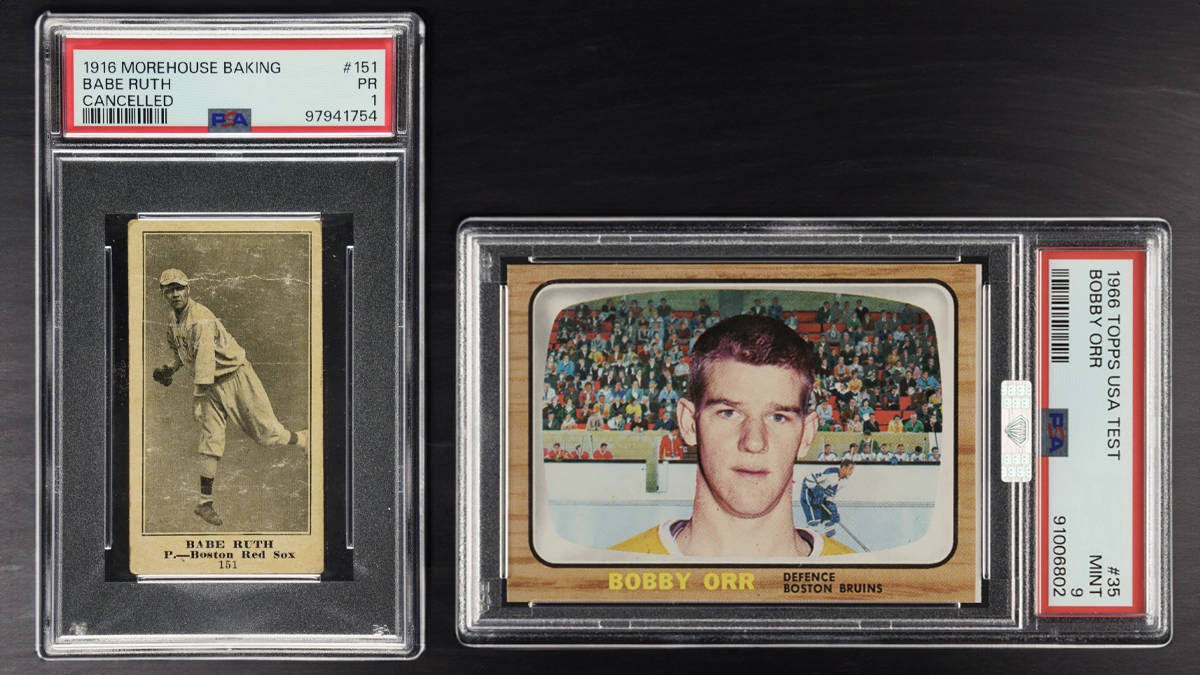
REA’s Spring 2025 Catalog Auction, concluding in April 2025, featured over 3,600 lots, including a 1966-1967 Topps Test USA Hockey #35 Bobby Orr Rookie PSA MINT 9 (one of only three examples at this grade) and a newly discovered 1916 M101-4 Morehouse Baking Babe Ruth Rookie PSA POOR 1. The auction also saw strong interest in vintage sets and high-grade rookie cards of both historical and contemporary superstars.
February 2025 was a particularly strong month for high-value sports card sales, with three cards surpassing the $1 million mark in public auctions, a notable increase compared to the seven cards that achieved this milestone in all of 2024. The top sales included:
- A 1916 M101-4 Sporting News Babe Ruth Blank Back Rookie PSA 7, which sold for $1,372,500 at Heritage, more than doubled its previous sale price from 2017.
- A 2003 Upper Deck LeBron James Exquisite Collection RPA /23 BGS 8.5/10, realizing $1,220,000 at Goldin, marking LeBron James’s 19th seven-figure sale, surpassing the combined totals of Michael Jordan, Babe Ruth, and Wayne Gretzky.
- A 1955 Topps Roberto Clemente PSA 9, which fetched $1,006,500 at Heritage, marking the third time this card in a PSA 9 grade exceeded $1 million.
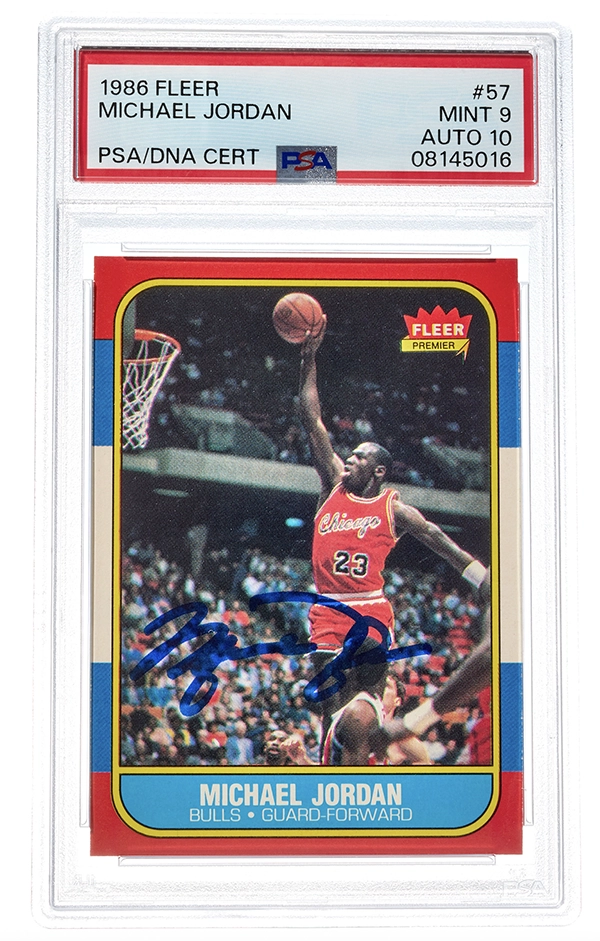
- Beyond these, a 2023 Panini Prizm Victor Wembanyama Nebula Choice 1/1 PSA 9 sold for $860,100, setting a new record for a Wembanyama card despite his injury. A significant record was also set in June 2025, when JOOPITER, Pharrell Williams’s auction house, sold a signed 1986-87 Fleer #57 Michael Jordan Rookie Card (PSA Mint 9 with a PSA/DNA Gem Mint 10 signature) for $2.5 million, making it the highest-selling card of its kind ever sold publicly. This sale, with global participation from 50 countries, demonstrates the market’s international reach and the profound impact of celebrity allure on valuations.
The concentration of multiple multi-million dollar sales within a single month for sports cards, particularly involving both vintage icons (Ruth, Mantle, Clemente) and modern superstars (LeBron James, Victor Wembanyama), indicates a dynamic and rapidly appreciating market. The entry of new, high-profile auction houses like JOOPITER and their ability to achieve record sales suggests a growing mainstream appeal and increased capital flow into the sports card market. This competition among auctioneers likely fosters innovation in marketing and accessibility, further fueling market expansion beyond traditional collector circles.
Market Trends and Growth Analysis (2024-2025)
Coin Market Trends
The rare coin market has maintained a “healthy and active” trajectory as of mid-2025, with values consistently trending upward, especially on high-end material. Over the past year (leading up to March/May 2025), prices in the rare coin market have increased by approximately 20%, notably outpacing gold’s 10% annual rise during the same period. This growth is primarily attributed to sustained demand from both seasoned collectors and new investors who view rare coins as reliable stores of value with inherent historical and aesthetic appeal.
Key drivers of this appreciation include the market’s role as a hedge against inflation and market volatility, offering diversification benefits that are not directly correlated with stock market performance. At the upper end, rare coins have demonstrated a sustained growth in demand over the past decade, with new multi-millionaires and billionaires taking an active interest in the hobby. Mid-range and modern coins have seen price declines over the same period, but they now represent good values for those entering the market. Heating up are early-to-mid-20th-century coins and early date issues struck before 1828.
Scarcity remains a paramount factor influencing rare coin values. Coins with low mintage numbers or those that have survived in limited quantities, such as the 1794 Flowing Hair Silver Dollar (with only 120-130 remaining from fewer than 1,758 minted), command exceptionally high prices. The condition of the coin, as determined by professional grading services like CAC (Certified Acceptance Corporation), NGC, and PCGS, is also critical, with higher grades and endorsements from services like CAC’s stickering service leading to significant premiums.
The precious metals market further strengthens the rare coin sector. Gold, hovering near an all-time high of $3,250 per ounce, and silver, performing well above $32.50 per ounce, bolster the appeal of both bullion-based and numismatic coins. This fundamental support, combined with a fixed supply and growing interest in certified, high-grade examples, suggests that the rare coin market will remain resilient throughout 2025 and beyond. The market’s growth is fundamentally driven by its status as a tangible asset and a reliable hedge against economic uncertainty. The consistent demand from both established collectors and new investors, particularly high-net-worth individuals, reinforces its stability and value preservation.
Sports Card Market Trends
The global sports trading card market is experiencing significant expansion. Its size was approximately $1.75 billion in 2024, according to industry analysts. This number is projected to grow to $5.38 billion by 2033, reflecting a robust compound annual growth rate of 13.3% during this forecast period. A broader market perspective, encompassing sports memorabilia and trading cards, reveals a market that is much larger, much more diverse, and growing.
A confluence of factors drives the market’s expansion. Technological advancements, such as the rise of online trading platforms and the integration of blockchain technology for verifiable ownership (NFT-backed physical cards), have made rare and vintage cards more accessible and appealing to a broader audience. Player-signed cards have seen double-digit increases in value over the past two years, and auction platforms have reported a 45% rise in high-value sales, underscoring the impact of celebrity endorsements and increased market liquidity. The demand for professional grading services has surged, with a 40% increase in submissions for card authentication, reflecting collectors’ emphasis on authenticity and condition for value preservation.
Demographically, Gen X, Millennials, and Gen Z are propelling the trading card resurgence, driven by nostalgia and a preference for tangible assets in a digital world. The market is also expanding globally, with significant growth observed in Asia and Europe, while North America maintains the largest market share, particularly for basketball and baseball cards. Emerging sports, such as esports, mixed martial arts (MMA), and Formula 1, are also gaining traction, with rising stars in these arenas potentially driving significant value for their cards.

However, the sports card market faces certain restraining factors. Younger people are increasingly focused on digital media, and for many products, corporations have switched from an ownership economy to a subscription model. In 2016, the World Economic Forum (WEF) published a controversial essay by Danish politician Ida Auken, titled “Welcome to 2030. I own nothing, have no privacy, and life has never been better.” Critics framed the piece as spelling out the WEF’s dystopian agenda to eliminate private property, something the group denies. However, Auken’s prediction is proving increasingly prescient, as modern life continues to evolve around shared online experiences, where nothing is physically owned and commodities are virtual things. Could this, along with rising costs, a lack of consumer knowledge, and the risks associated with trading card collectibles markets, pose challenges for future growth? If the market collapse of the mid-1990s is any indicator, yes. But the same can be said about the modern coin segment of the rare coin hobby.
Two Distinctly Different Markets that Have Much in Common
Both rare coins and sports cards represent vibrant and evolving segments of the collectibles market, each with shared and distinct characteristics and drivers of value. The analysis of auction performances and market trends for 2024-2025 reveals compelling activity in both categories.
The rare coin market has demonstrated strong price performance since 2020, driven by its enduring appeal as a tangible asset, a historical and cultural artifact, a hedge against inflation, and a stable investment for high-net-worth individuals. The market benefits from established infrastructure, rigorous grading, and the inherent scarcity of historical pieces, leading to consistent high-value sales and overall market resilience.
The sports card market, while experiencing a significant resurgence and attracting a broader demographic, presents a more dynamic and, at times, volatile landscape. Nostalgia, technological advancements, and the immense popularity of sports and pop culture icons fuel its growth. While long-term projections for the sports trading card and memorabilia market suggest substantial growth (up to 22.1% CAGR), the direct, confirmed year-over-year growth for 2024-2025 for sports cards specifically appears to be outpaced by the recent run of the rare coin market.
In conclusion, based on the available data for the 2024-2025 period, the rare coin collectible category has shown more direct and confirmed growth compared to sports cards. But both markets offer compelling opportunities for collectors and investors, and there’s no reason why savvy collectors can’t successfully pursue both.