Congress launched the American Gold Buffalo under the Presidential $1 Coin Act of 2005, and from the start, lawmakers built the program to stand apart. The Act not only authorized a new 24-karat bullion coin but also revived James Earle Fraser’s legendary 1913 Buffalo Nickel design.
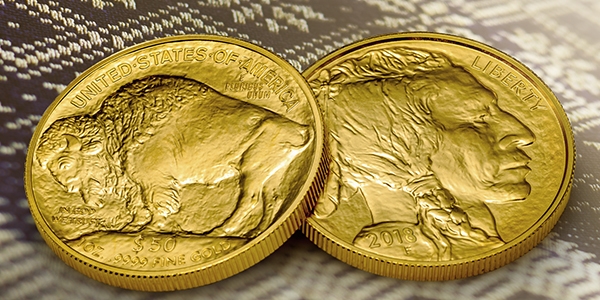
Furthermore, Congress insisted that every ounce of gold come directly from U.S. mines and enter production within one year of extraction. As a result, the series quickly became a symbol of American artistry, resources, and heritage.
A Coin Rooted in American Identity
Fraser’s bold combination of a Native American portrait and a mighty bison already held an iconic place in American numismatics. When Congress mandated its return on a modern .9999 fine gold format, collectors enthusiastically welcomed the decision. Additionally, lawmakers required the Mint to sell numismatic versions at no less than the bullion value plus production costs, ensuring a financially sound program.
With these guidelines firmly in place, the United States Mint introduced the first Gold Buffaloes on June 20, 2006, marking the beginning of the nation’s premier 24-karat gold series.
How the Mint Distributes the Series
Unlike American Gold Eagles, which collectors may purchase directly from the Mint, Gold Buffalo bullion coins reach the market through authorized dealers. This structure allows the Mint to focus on production while distributors handle wider commercial placement. Meanwhile, collectors can buy Proof Buffalos directly from the Mint, which keeps the traditional numismatic channel alive.
All Gold Buffaloes strike at the West Point Mint. Although this facility produces every piece, only Proofs and special issues—such as the 2008 Burnished Uncirculated and 2013 Reverse Proof—display the “W” mintmark. On these coins, the mintmark appears on the obverse beside Fraser’s portrait.
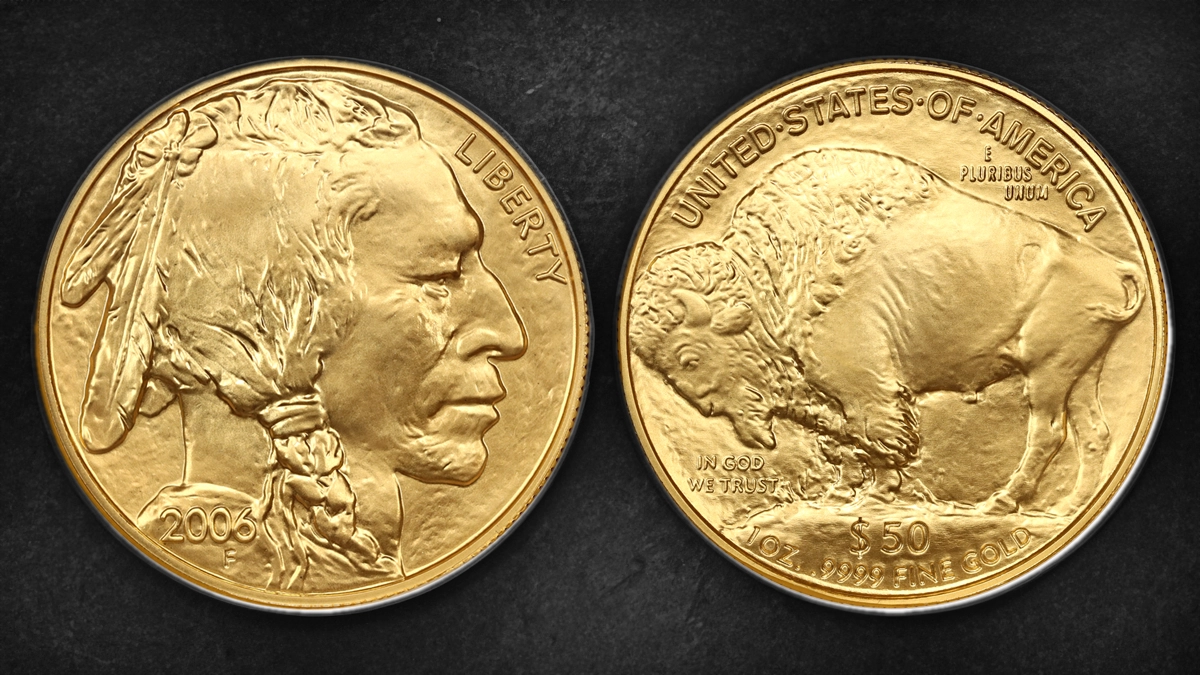
Design Consistency and Series Character
Many global bullion programs, including the Chinese Panda and the Canadian Maple Leaf, regularly update their artwork or issue extensive commemoratives.
In contrast, the Gold Buffalo maintains a stable design, year after year. As a result, collectors often view the series as a modern counterpart to the South African Krugerrand, known for its long-term visual consistency.
Although the design stays the same, the series offers a limited but meaningful range of finishes:
- Bullion (standard) – 2006–present
- Proof – 2006–present
- Burnished Uncirculated – 2008
- Reverse Proof – 2013
Consequently, collectors tend to evaluate Gold Buffaloes based on finish, grade, and market availability rather than design variants.
Which Gold Buffalo Should You Choose?
Your ideal choice ultimately depends on your collecting goals. Nevertheless, understanding the most common collecting strategies can make the decision easier.
For Gold Stackers
Stackers who prioritize metal content typically gravitate toward random-date bullion strikes. These coins offer the purest form of the series’ investment appeal. However, with spot gold trading at $4,227/oz [Dec 8,2025], many premiums on modern and generic gold have tightened. Therefore, check the market carefully for current valuation discovery before purchasing.

For Type-Set Collectors
Collectors who enjoy building complete representations of a series can assemble a four-coin Gold Buffalo type set. To include every finish, you would select:
- A standard bullion strike
- An annual Proof
- The 2008 Burnished Uncirculated issue
- The 2013 Reverse Proof, which commemorates the Buffalo Nickel’s centennial
Together, these four coins showcase the full artistic and technical evolution of the series. Moreover, the project remains manageable for collectors who prefer defined goals.
For Specialists Seeking Selectivity or Scarcity
Some collectors prefer to target pieces with unusual characteristics or historically meaningful attributes. For these individuals, two avenues often stand out:
1. First-Year (2006) Issues in High Grade
First-year coins frequently attract long-term collector interest. Many specialists consider an MS 70 example an essential addition, not only for its condition but also for its symbolic importance.
2. Scarce or Early Special-Label Holders
Even though label collecting is optional, low-population signature or “First Strike” labels—especially early PCGS examples—have earned dedicated followings. These encapsulations, produced in limited numbers, no longer appear in the marketplace in new form. Consequently, collectors who enjoy niche scarcity find them appealing.
Final Thoughts
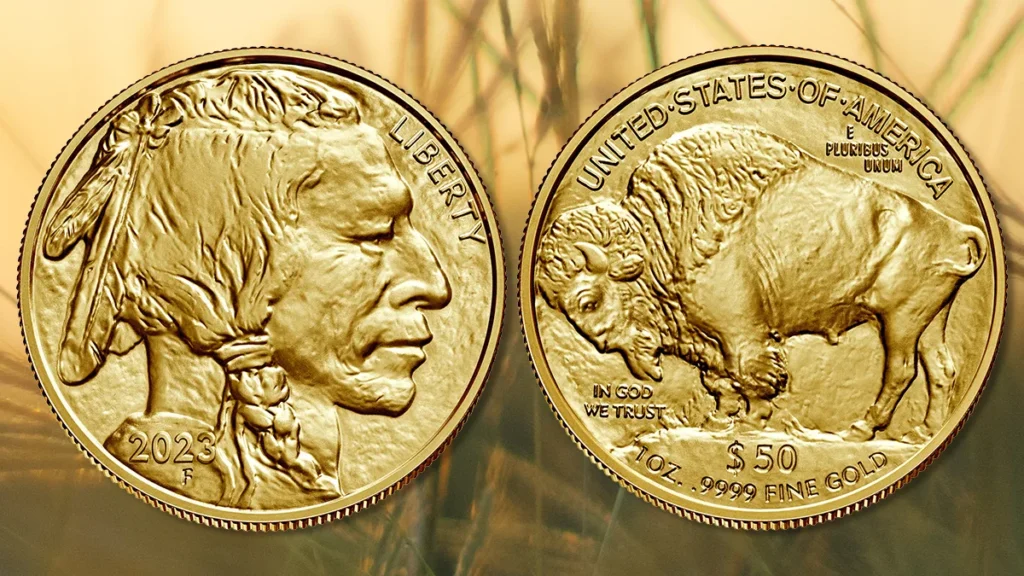
The American Gold Buffalo occupies a unique place in modern U.S. numismatics. It combines historical artistry, high-purity gold, and straightforward collecting pathways, making it accessible to both casual buyers and dedicated specialists. Although the series reacts directly to changing gold prices, it continues to offer collectors real depth and variety.
With spot gold elevated and premiums on many modern issues currently compressed, the smartest approach remains simple: monitor the market closely and confirm real-time valuation discovery.
* * *