


By CoinWeek …..
Before diving into the world of gold investing, there’s a fundamental fork in the road that every investor encounters: Paper gold or Physical gold. While both paths offer exposure to the precious metal, the way they function—and the risks they carry—are quite different.
Paper gold refers to financial instruments like ETFs, mining stocks, and futures contracts, traded through the securities markets. These vehicles can offer amplified gains, but with that potential comes increased volatility and risk.
Physical gold, on the other hand, is the real deal—tangible assets in the form of coins or bars that you can hold in your hand. Investors in physical gold take delivery of the metal and typically secure it in bank vaults, private safes, or third-party depositories.
Understanding Paper Precious Metals
“Paper” investments for gold, silver, platinum, or palladium can be comprised of instruments such as mining stocks, Exchange-Traded Funds (ETFs), or futures contracts. They generally cost less to acquire than physical metals.
- Mining Stocks
Mining companies can often produce precious metals at far below their market price, allowing investors to reap significant rewards. However, these investments are subject to specific business risks, including management failure, uncontrollable expenses, poor corporate decisions, and adverse changes in the country’s mining laws. You have little to no direct control over your investment’s performance.

- Exchange-Traded Funds (ETFs)
ETFs allow you to own shares in a fund that typically invests directly in the precious metals. You generally receive an investment that tracks the dollar-for-dollar share of the metal’s price (gold, silver, etc.), less management fees and commissions. This is often recommended by traditional investment advisors for ease of access. However, these investments carry counterparty risk—the risk that the managing fund or its custodians could fail, as well as risks from changing government regulations, tax rates, or trading exchange laws. The core distinction is that you own shares, not the physical metal. - Futures Contracts
Futures contracts are financial instruments generally reserved for sophisticated investors or speculators. They are usually highly leveraged, meaning you can control a large dollar amount of metal with a small amount of capital. While this offers high-profit potential, it also entails extremely high risk and is not recommended for the average investor.
The Appeal of Physical Precious Metals
Why Physical Metals Still Matter
For investors wary of systemic risk—whether recalling the 2008 financial crisis or reacting to today’s escalating geopolitical tensions and debt concerns—owning physical precious metals remains a compelling safeguard. When the goal is to step outside the traditional financial system entirely, there’s no substitute for holding the real thing. This core motivation continues to drive demand for tangible gold, silver, platinum, and palladium.
Among these, gold and silver lead the way. Gold is the quintessential financial metal—trusted by central banks and sovereign treasuries alike, including the U.S. Treasury. Silver, often dubbed “the poor man’s gold,” plays a dual role: as a store of value and a critical material in industries ranging from solar energy to electronics.
Platinum and palladium, while less familiar to the average investor, serve more niche roles. Their value is heavily influenced by industrial demand—particularly in the automotive sector, where they’re key components in catalytic converters. For most portfolios, these metals are considered more speculative, offering opportunity but with increased complexity.
Buying Physical Bullion
While investing in the physical form of precious metals often costs a little more (due to premiums for manufacturing, distribution, and storage), it provides the most assurance of an investment truly outside the financial system.
 The common way to own bullion is in coin or bar form. To ensure you are receiving a genuine product, it is essential to purchase from a reputable source. The coins are typically manufactured by sovereign government mints, such as the United States or Canada, and are legal tender coins. Their face values, however, are worth far less than the market value of the precious metal they contain.
- American Eagle Coins
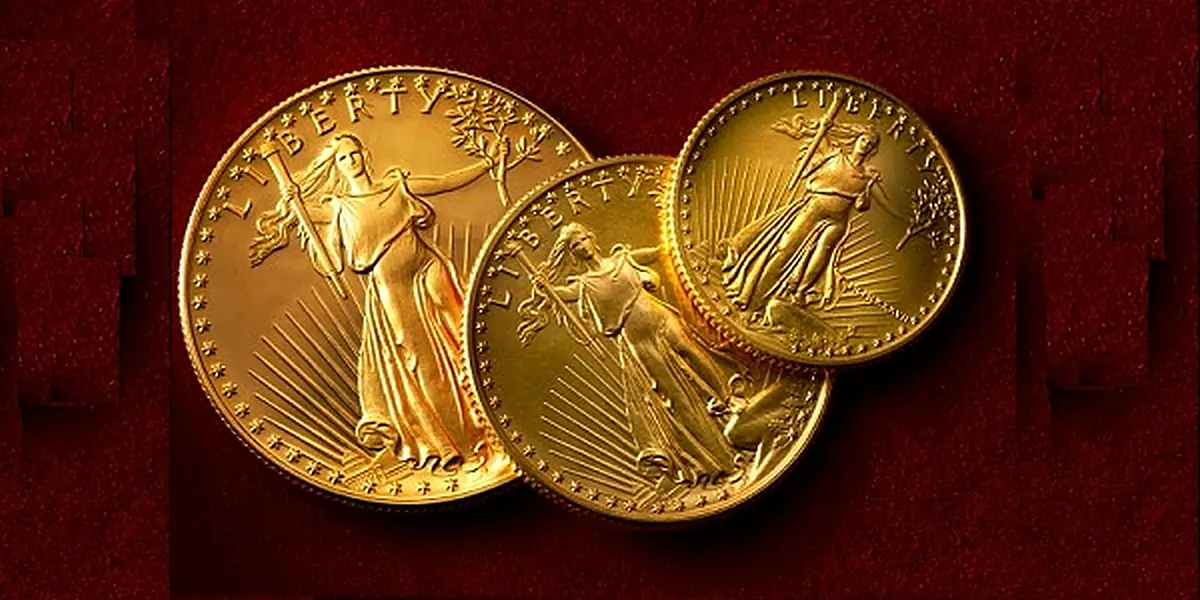
The United States created the American Eagle bullion coin program in 1986. The program mints gold, silver, and platinum coins in various sizes (e.g., one-ounce, half-ounce) and denominations (e.g., the one-ounce gold coin has a $50 face value; the one-ounce silver coin has a $1 face value). Investors cannot purchase these coins directly from the U.S. Mint but must buy through authorized dealers. - Canadian Maple Leaf Coins
The Canadian government mints the Canadian Maple Leaf coins. These are often purchased by American investors because they are sometimes less expensive than the American Eagle coins, which typically command a slightly higher premium due to their domestic popularity. - Bullion Bars and Other Forms
The U.S. government does not manufacture precious metal bars for investment. However, the Royal Canadian Mint, private mints in the U.S. and globally, and some major international banks do. In times of high demand or financial turmoil, bullion coins have experienced shortages, leading some investors to purchase bars, which can carry lower premiums, or other alternatives like circulated silver coins. - Circulated U.S. Silver Coins (“Junk Silver”)
Circulated U.S. silver coins, often known as “junk silver,” are a way to acquire smaller denominations of physical silver. These are used dimes, quarters, and half dollars minted in 1964 and before that are composed of 90% silver. They are often traded in “bags” of $1,000 face value, which contain 715 ounces of silver.
Precious Metals in Retirement Accounts (IRAs and 401(k)s)
It is important to know that many of these physical precious metal products qualify as investments that are allowed in tax-advantaged retirement plans, such as IRAs (Individual Retirement Accounts) and potentially certain 401(k)s via a rollover into a Self-Directed IRA.
- IRS Rules: To be held in an IRA, the physical metals (gold, silver, platinum, or palladium) must meet specific IRS purity standards. For example, gold must be 99.5% pure (e.g., American Gold Buffalo coins or specific bars), and silver must be 99.9% pure (e.g., American Silver Eagles).
- Storage: The physical metals cannot be stored at home. They must be held by an IRS-approved custodian in a secure, insured depository.
- 401(k) Access: While a traditional 401(k) generally does not offer physical bullion, funds can often be transferred into a Self-Directed IRA (SDIRA), which allows for the purchase and secure third-party storage of IRS-approved physical precious metals as a potential hedge against economic turmoil.
To learn more about investing in gold, check out our handy 2025 Precious Metals IRA Investment Guide.
This article was updated November 2025.
* * *





A great report. I can’t decide on weather to invest in gold coins or bars. The same goes with silver. What do you say? Also, I have read on the net and Facebook about an investment company named ozsgold.com. The company president is someone named Oswald Pelaez and he states that he guarantees a positive outc0ome to his investors. Have you ever heard about him and his gold company? Could he be a safe place to invest? I have no idea about him or his tract record.
Regards
Sara Fargoons
One COULD invest in paper gold or silver but where’s the fun in that?
Do both, but if you do physical in any sizable amount, get a safe deposit box at your bank