


U.S. Pattern Coinage: Inside America’s Rarest “What-If” Coins
From the 1792 Half Disme to the Bob R. Simpson cabinet, U.S. Pattern coins tell the story of what the Mint tested, refined, and ultimately left behind. That history still gives the series unusual power for collectors today.
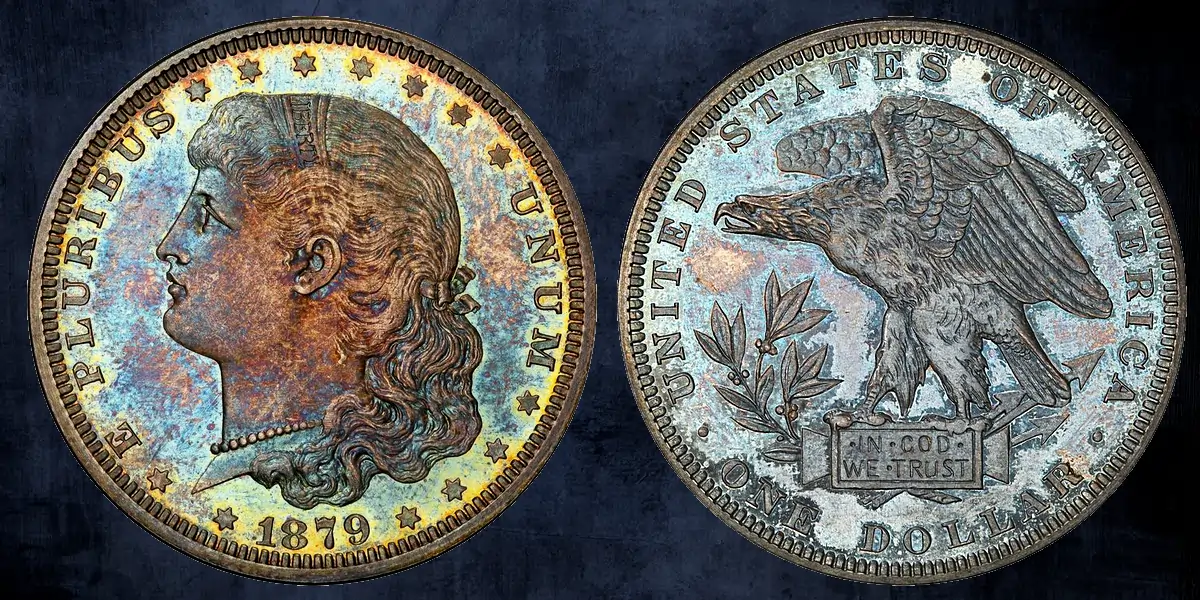
Charles Anderson built one of the finest U.S. Pattern coin collections ever assembled. In 2007, Bob R. Simpson bought that cabinet intact for more than $30 million, and contemporary accounts described the deal as the largest private numismatic transaction of its time. After that purchase, Simpson kept chasing additional Patterns in an effort to push the collection as far as possible. Garrett also noted that he placed several important Pattern coins into that cabinet over the years. Even so, no collector can truly complete the series. In fact, even a billionaire runs into hard limits here.
That reality became especially clear on September 17, 2020, when Heritage Auctions began offering selections from the Simpson Collection. Simpson kept some favorite types. Still, the breakup of that remarkable holding created a rare opening for collectors who wanted coins that almost never reach the market.
Many collectors know the classic U.S. series. However, fewer know U.S. Pattern coinage. That gap matters. These coins sit at the crossroads of history, art, experimentation, and true rarity.
What U.S. Pattern Coins Really Are
The Mint created Pattern coins as experiments. Officials tested designs. They tested denominations. They also tested metal content. As a result, Pattern coins show us what the Mint considered but never adopted. Just as importantly, they reflect the artistic taste of their era. The series includes some of the rarest and most historically important coins the United States Mint ever produced.
The Mint struck the first federal U.S. Pattern coins in 1792. These early issues still rank among the most desirable coins in American numismatics. The 1792 Half Disme stands out because it survives in greater numbers than the other 1792 pieces. Older references often cite a mintage of roughly 1,500 to 2,000 pieces. More recent research points to a first delivery of 1,500. Either way, collectors still view it as the most available issue from that year. Many experts also believe the Mint made it for circulation, even though standard references still place it in the Pattern family.

Collectors do not count the 1792 group in exactly the same way. Some references describe six types and 13 issues when they separate cent variants and compositions. In everyday collecting language, though, the headline names remain familiar: the 1792 Silver Center Cent, the 1792 Birch Cent in two types, the 1792 Half Disme, the 1792 Disme, and the 1792 Eagle on Globe Quarter Dollar. Garrett has long singled out the Eagle on Globe Quarter Dollar as a favorite museum piece, and the Smithsonian holds an example today. These early coins also attract strong crossover demand from collectors who specialize in early American coinage.
Why a Complete Set Remains Impossible
A full U.S. Pattern set remains out of reach. Most references put the total at about 1,500 major types and varieties. On top of that, museums hold several unique or nearly unique pieces, so private collectors cannot buy them at any price.
The Smithsonian preserves several of the most famous examples. First, it holds the 1849 Double Eagle, the first Double Eagle pattern struck after Congress authorized the denomination during the California Gold Rush. Many numismatists still treat that coin as the greatest U.S. coin of all. Next, the Smithsonian holds both gold varieties of the 1877 Fifty Dollar pattern, or “Half Union.” Garrett noted that the Mint reacquired those coins in the early 20th century through a trade for a trunk full of Patterns. No surviving record identifies the contents of that trunk, so the idea that it may have supplied a large share of today’s surviving Patterns remains an informed but unproven theory. Finally, the Smithsonian also preserves the unique 1906 Barber Double Eagle, Charles Barber’s response to Augustus Saint-Gaudens’s ambitious Double Eagle redesign.
A few collectors have pushed deep into this field. Dr. J. Hewitt Judd built one of the great cabinets and wrote the standard reference that still anchors the series. More recently, Bob Simpson assembled another landmark collection. Yet even those efforts could not produce a truly complete set.
How Collectors Can Enter the Series
The impossibility of completion should not scare collectors away. In fact, it should sharpen the strategy. U.S. Pattern coinage rewards focus, patience, and selectivity.
Start With One Great Coin
Many collectors begin with a single standout piece. That approach works well because the series offers remarkable designs. Popular choices include the 1872 “Amazonian” coins from Quarter Dollar through Double Eagle, the 1879 “Schoolgirl” Silver Dollar, the 1876 “Sailor Head” Silver Dollar, and the 1882 “Shield Earring” Silver Dollar. One great Pattern coin can transform a collection and start years of deeper study.
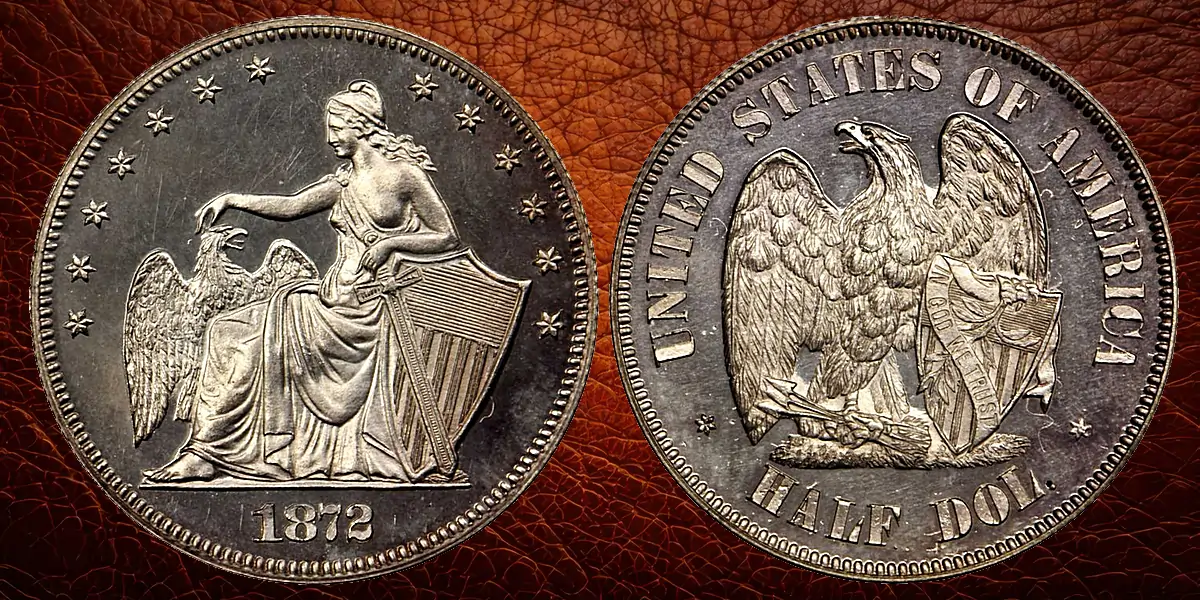
Add Patterns to a Regular-Issue Set
Patterns also work well as companion coins. Nearly every classic U.S. series began with experimental pieces. Collectors call those coins transitional issues. For example, Indian Head Cent collectors often pursue 1858 Pattern cents because the Mint tested ideas there before regular production took hold. Those pieces remain much rarer than the adopted coins. Garrett also pointed to the Steve Brewer Flying Eagle Pattern collection, which Kagin’s sold in 2017. That sale produced an important reference catalog for the series.
Collect by Design
Some collectors chase a design family across many years and varieties. The Standard Silver issues of the 1860s and 1870s offer one of the best-known examples. That route takes time. It also demands discipline. Yet it gives the collector a coherent long-term goal.
Collect by Denomination
Other collectors prefer one denomination. Two-Cent and Three-Cent Patterns draw strong interest for that reason. Another smart plan starts with one coin from each denomination, from Half Cent through Double Eagle. That structure keeps the hunt focused while still giving the set real breadth.
Collect by Metal
Pattern coinage also lets collectors follow metal rather than denomination. The Mint struck Patterns in copper, nickel, silver, aluminum, white metal, and gold. That path opens a different view of the series. It also highlights how aggressively Mint officials tested composition in the 19th century.
Add Die Trials
Die trials create another compelling lane. Here, the collector adds a piece that carries a familiar design but appears in a different metal. The aluminum issues of 1868 and 1869 make a classic example, and the Mint produced them across many denominations. For collectors who already own regular-issue coins, die trials add technical depth and real historical texture.
Focus on a Historical Era
Era-based collecting works, too. Civil War-era Patterns remain especially popular. They combine scarcity with strong historical context. Just as importantly, the Mint struck many of them while it tested the “In God We Trust” motto.
Stay With Mainstream Pattern Types
Some Patterns sit close to the hobby’s mainstream. The 1856 Flying Eagle Cent, the Gobrecht Silver Dollar, and the Four Dollar Stella all began as Patterns, yet standard references and long collector tradition pushed them into broader demand. As a result, these coins often serve as an accessible bridge into the larger Pattern field.
Why U.S. Pattern Coinage Still Offers Real Opportunity
Garrett has long argued that U.S. Pattern coinage delivers true rarity. That argument still carries weight. Collectors do not worry about a newly discovered hoard crushing supply. They also do not let registry competition dominate every decision. Instead, they pursue coins that almost always survive in tiny numbers and often in unique or near-unique form.
That scarcity alone would make the series attractive. Yet collectors also benefit from much better tools than earlier generations had. Population reports and auction records now sit within easy reach. Those resources make research easier, pricing clearer, and buying decisions smarter. Anderson himself told Garrett that auction records made his collecting possible.
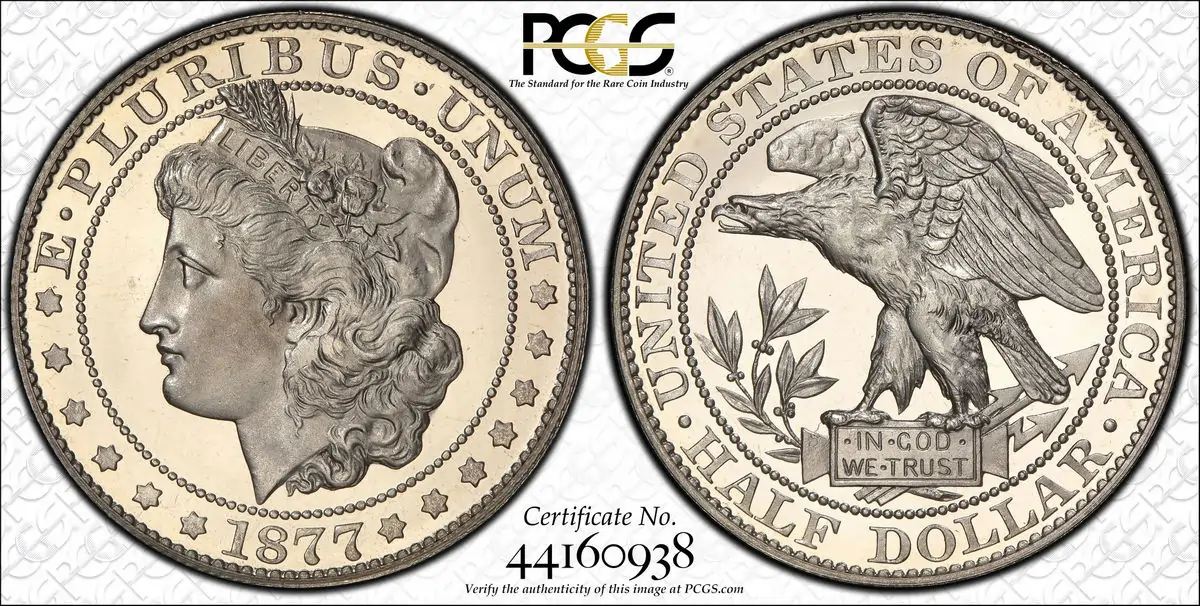
Value adds another layer. Garrett’s core point still stands: in many cases, collectors can buy a Pattern coin for a price that rivals a regular-issue Proof from the same year, even though the Pattern may be vastly rarer. That relative value, combined with true scarcity and rich historical context, helps explain why sophisticated collectors continue to study this field so closely.
The Bottom Line
U.S. Pattern coinage will challenge any collector. That challenge, however, forms part of the appeal. These coins combine history, artistry, and rarity in a way few other U.S. series can match. So take a close look. Seek strong advice. Then move with patience. In the end, the search usually rewards the effort.




1976D Lincoln wheat memorial penny with profile of president Abraham Lincoln 16th president of the USA 1999P George Washington 1st president of the USA
@Peter Kimathi Those sound very much like two of the many privately-altered novelty pieces that have been created over the years, especially around historical dates like the 1976 Bicentennial.
Companies take ordinary circulation coins and use a punch or stamping tool to add another image (like JFK facing Lincoln) or alter the primary image itself. The coins then end up as everything from giveaways to heavily-hyped “instant collectibles” sold for inflated prices.
While there are niche collectors who are interested in these items, they’re considered to be alterations rather than rarities. In general they’re of little interest to typical collectors and don’t have much of a secondary market.
Great article! Such and artsy coin.
TY
Very interesting article! One of the most amazing books in my personal library is United States Patterns, Experimental and Trial Pieces by J. Hewitt Judd that I purchased back in the ‘80s. I see one offered online for $95 or best offer. Well worth the price if you don’t have a copy.
I have never seen great looking coins. Good article
These are very cool.
Such a history lesson. Amazing!
Love all of the good advice! Thanks.
Another great article, but those coins are WAY out of MY league !!
So amazing! I never knew about this.
Many pattern coins have really interesting and beautiful designs and it makes me wonder why the mint didn’t produce them for circulation.
Thanks for this in-depth article. So many varieties of collecting opportunities!
What a fun challenge.
It amazes me how boring our coins of today are compared to what was or what could have been back in the elder day’s some truly amazing looking pattern coins shown in this article
Very cool.
nice looking coin
That patina on the 1879 schoolgirl standard dollar looks SO cool.
Beautiful coins!!
Hard to understand why some of these were rejected.
Whenever I look at the Pattern Pieces, I muse what differences our coinage would have been should these pieces have been selected for circulation. What creative, beautiful artwork. A great reflection of the time periods in which they were considered. Thanks for the great article and the reminders of what is and could have been.
Nice toner.
Noice!
Great article! Lots of good information for anyone wanting to get started collecting or interested in US coins and lots of neat examples of potential coins.
Excellent article! Great information.
Truly interesting article. I love the history lesson. Thank you.
Man, what I wouldn’t give to have one of these in my collection!
Patterns are neat to see and read about, but too rich for my blood to collect.