


Five Lost Treasures Still Waiting Somewhere in America
America still has room for mystery.
Collectors know that history often hides in plain sight. Sometimes it appears in a coin cabinet. Sometimes it rests in a shipwreck. And sometimes, according to enduring treasure legends, it waits under roots, rocks, and forgotten trails.
The lure remains powerful. A buried sack of Civil War valuables. A stagecoach shipment of gold. Pirate riches in Hawaii. A gangster’s suitcase of cash. And, finally, a Wild West cache tied to Jesse James.
Are these stories true? Or have time, rumor, and wishful thinking turned small clues into big legends?
No one can answer that yet. Still, each tale carries enough drama to keep treasure hunters looking.
Mosby’s Treasure in Virginia
Somewhere in the forests of Fairfax County, Virginia, treasure lore places a Civil War cache worth a fortune.
According to the legend, the hoard included gold, silver, jewelry, candlesticks, and other valuables taken from Southern homes by Union troops. At the time, people valued the treasure at about $350,000. Today, modern retellings often place its value near $6 million.
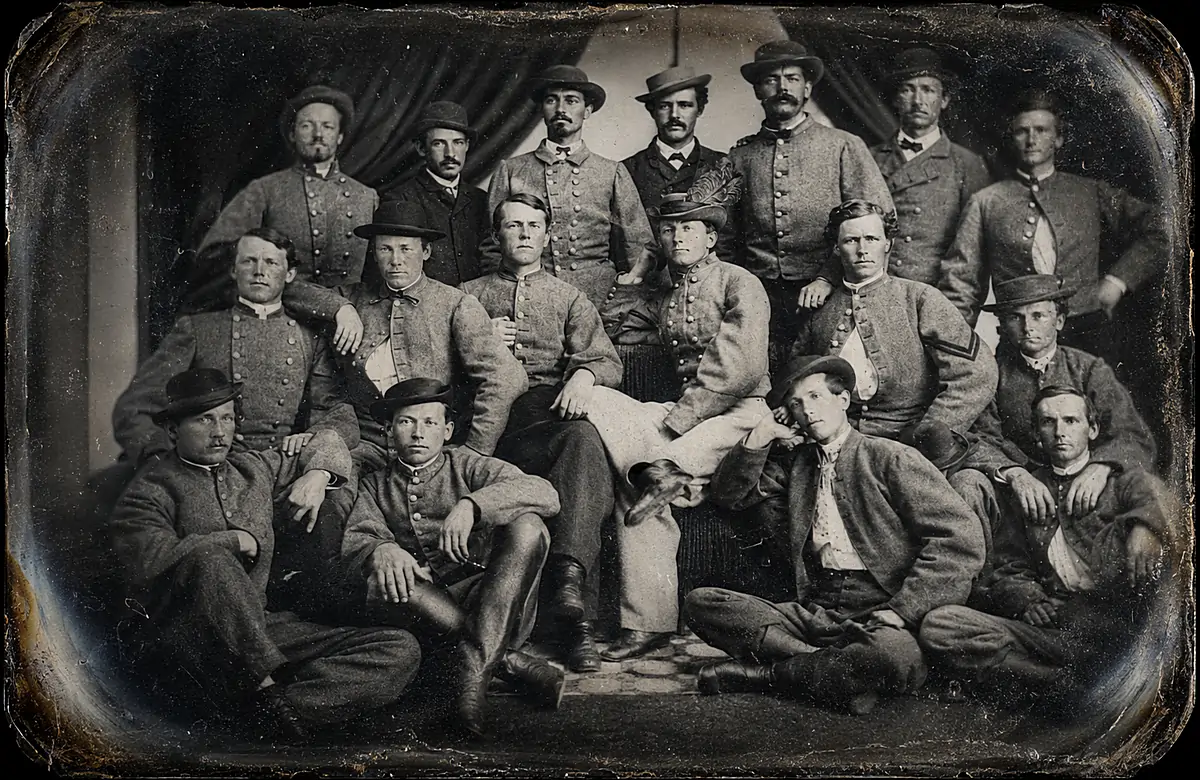
The story centers on Confederate ranger John Singleton Mosby. The National Park Service describes Mosby as a lawyer turned Confederate cavalry raider whose “rangers” struck Union supply lines in Northern Virginia. The American Battlefield Trust also notes that Mosby carried out his famous March 1863 raid inside Union lines at Fairfax Court House, where he captured Brigadier General Edwin H. Stoughton.
The treasure legend adds a darker twist.
In 1863, Mosby and his raiders slipped deep into Union territory. They captured Union soldiers, horses, and, according to the story, a large stash of valuables. Then trouble came fast. As Mosby moved back toward Confederate lines, scouts warned him that Union troops had entered the area.
So, the legend says, Mosby buried the valuables in a burlap sack between two trees. Then he marked the spot with his knife.
Later, Mosby sent men back to recover the treasure. Union soldiers reportedly captured and killed them. As a result, the hiding place vanished with them.
No confirmed recovery has surfaced. Therefore, Mosby’s treasure remains one of Virginia’s most tempting Civil War mysteries.
Idaho’s Lost Stagecoach Gold
Next, the trail moves west to Idaho Territory.
In the 1860s, stagecoaches carried people, mail, and valuables across dangerous routes between Montana and Utah. Bandits knew it. So did the men who guarded the gold.
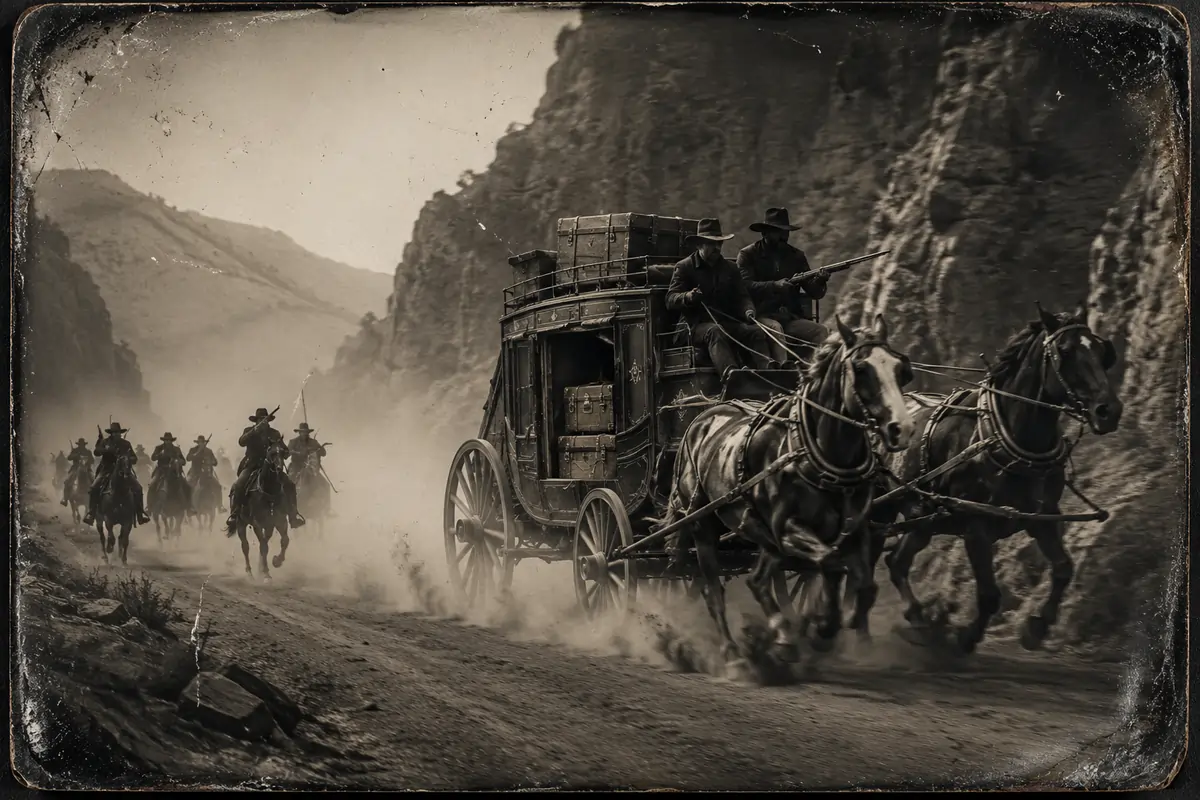
On July 26, 1865, according to the treasure story, the Picket Corral Gang attacked a stagecoach carrying two large strongboxes. Inside sat gold, including 15 heavy gold bars, along with pouches of gold dust and nuggets.
The robbery turned deadly. Several passengers died during the hold-up. However, one survivor reached a nearby town and identified the attackers.
Then vigilantes gave chase. They caught the bandits and killed them. Yet the dead men carried only about $50.
That detail keeps the mystery alive.
PBS Idaho’s Idaho Experience recounts the related Idaho stagecoach-gold legend and notes that robbers got away with about 15 gold bars and more than two pounds of gold dust. The same program adds the key point: no one knows where the gold went after that.
Some treasure hunters believe the gang buried the loot in Portneuf Canyon. Others believe the gold moved farther away before the vigilantes caught up.
Either way, no verified record shows that the gold bars ever entered the market. Therefore, Idaho’s lost stagecoach treasure still invites one big question.
Who will find it?
Pirate Treasure at Palemanō Point
Now the search turns to Hawaii.
Treasure lore places a $5 million pirate cache near Palemanō Point, an exposed reef off Hawaii’s Big Island. The story credits the treasure to Captain Thomas Cavendish, a 16th-century English seafarer.
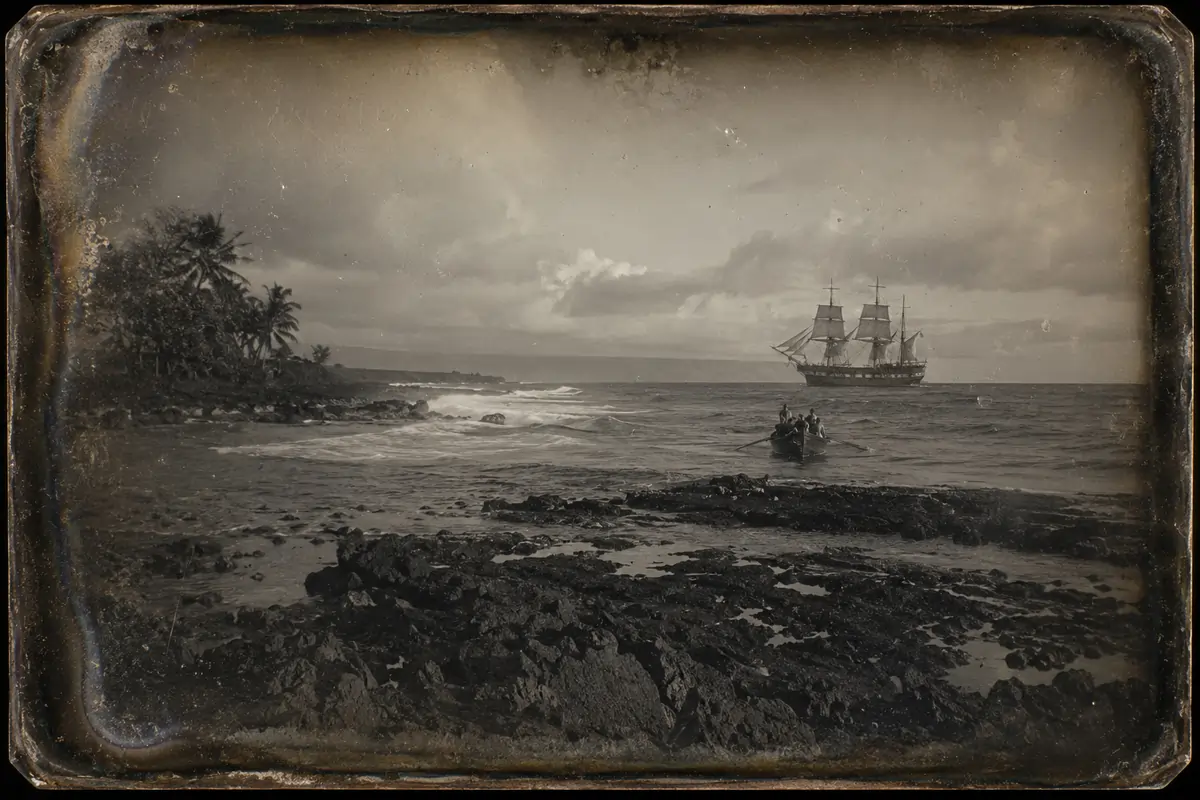
Here, the historical record needs careful wording. Britannica identifies Cavendish as an English navigator and freebooter, not simply as a pirate. He led the third circumnavigation of the Earth and seized the Spanish treasure galleon Santa Ana off the coast of California in 1587.
That background gives the legend its fuel.
According to the Palemanō Point story, Cavendish or men connected to his voyages hid gold, silver, and other valuables near the reef. Treasure hunters have searched for generations. Still, no confirmed discovery has come to light.
The tale has the right ingredients: Spanish plunder, Pacific routes, dangerous reefs, and a remote shoreline. However, the claim rests on legend rather than documented recovery.
Even so, Palemanō Point remains one of America’s most exotic lost-treasure stories.
John Dillinger’s Suitcase in Wisconsin
The fourth story leaves the age of pirates and enters the age of gangsters.
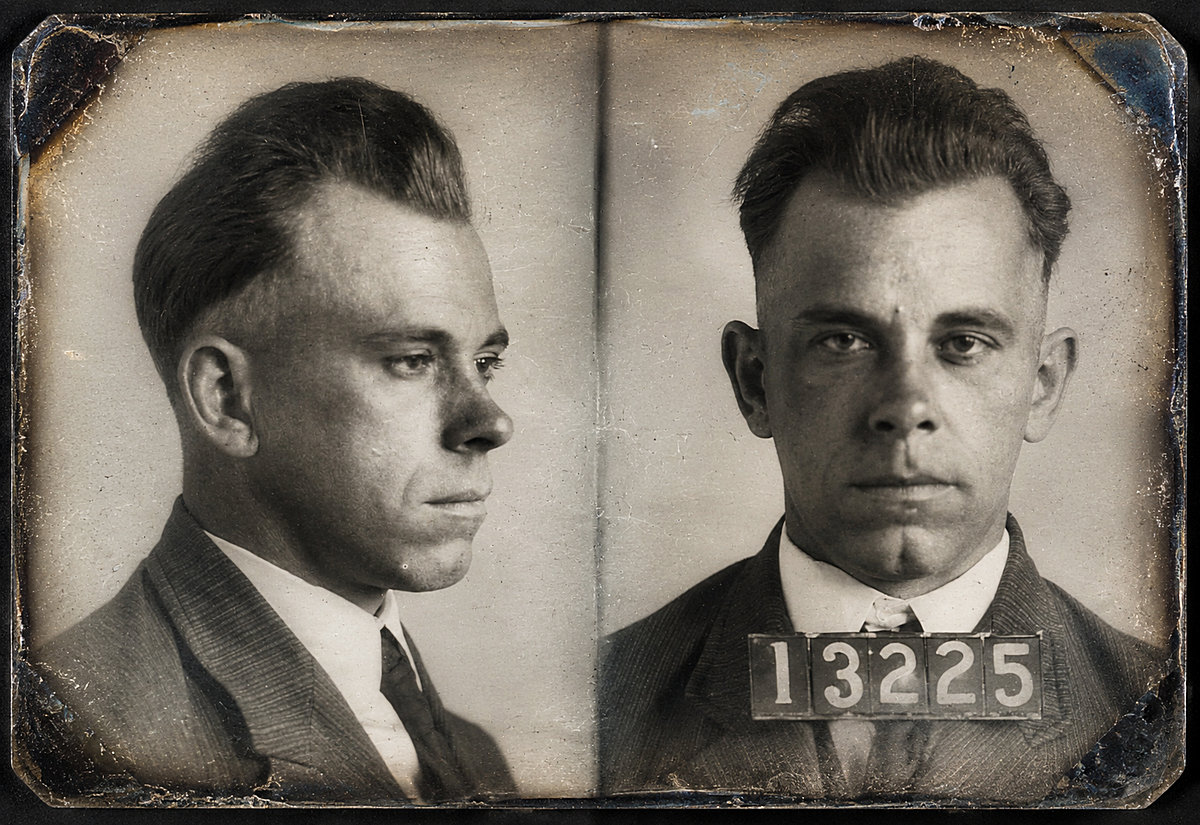
John Dillinger became one of America’s most famous criminals during the Great Depression. The FBI describes him as a violent thief whose gang robbed banks and police arsenals, staged jail breaks, killed 10 men, and wounded seven others between September 1933 and July 1934.
Treasure lore adds another chapter.
According to the story, Dillinger buried $200,000 in cash in a suitcase in the Wisconsin woods just months before his death.
Dillinger and his men hid at Little Bohemia Lodge near Manitowish Waters, Wisconsin, in the spring of 1934. On April 22, 1934, FBI agents acted on a tip and raided the lodge. A gun battle followed. The FBI later stated that Dillinger and his men escaped that evening.
The legend says Dillinger fled out the back with a suitcase full of cash. Then he ran about 500 yards north into the woods. Near two pines and an oak, he allegedly dug a hole and buried the suitcase.
Three months later, Dillinger’s run ended.
On July 22, 1934, federal agents shot and killed him outside the Biograph Theater in Chicago. Britannica identifies Anna Sage, also known as Ana Cumpanas, as the woman who informed law officers that Dillinger and others planned to see a movie that night.
No one has reported a verified discovery of Dillinger’s suitcase.
So, somewhere near Little Bohemia, one of America’s most famous gangster legends may still sit under Wisconsin soil.
Jesse James’ Lost Loot in Oklahoma
Finally, the trail leads to the Wichita Mountains of Oklahoma.
For generations, treasure hunters have searched for gold bullion that legend connects to Jesse James. Estimates often range from $1 million to $2 million.
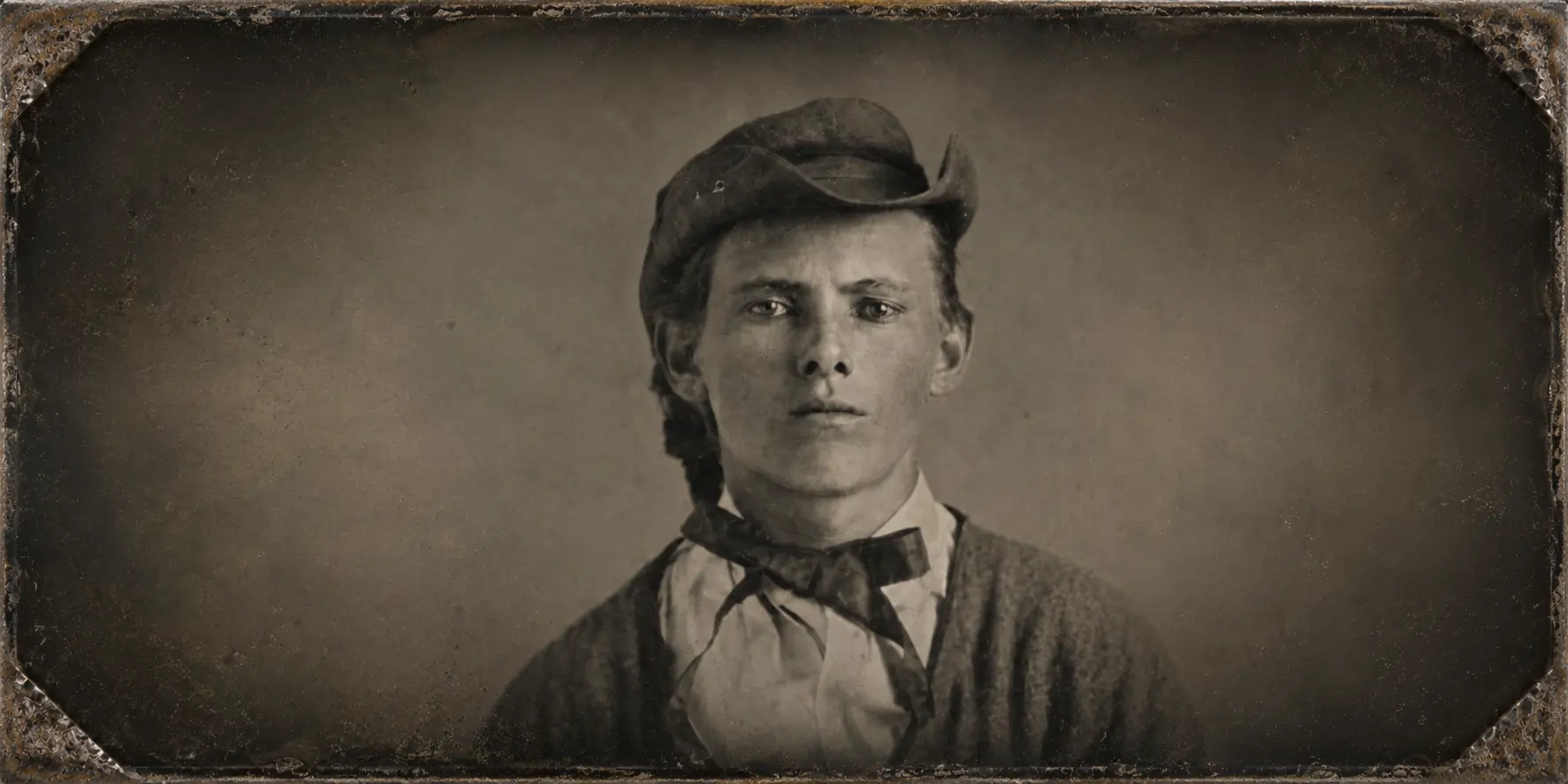
The Oklahoma Historical Society treats the tale as part of “James Gang Lore.” It notes that several generations of treasure hunters have searched for a supposed $2 million cache, or multiple caches, of gold hidden by the Jameses in the Wichita Mountains. It also traces the popularity of the story to J. Frank Dobie’s 1930 book Coronado’s Children.
The legend says Jesse James robbed a caravan belonging to a Mexican general near Geronimo, Oklahoma, in 1872. Then a posse pursued him. To escape, James allegedly buried the gold bullion in the Wichita Mountains.
The James brothers built their outlaw fame across the Midwest. They robbed banks and trains, and their names became inseparable from Wild West mythology. Over time, that mythology grew even larger.
The Oklahoma story has one more detail that keeps searchers interested. According to Oklahoma Historical Society’s summary of the lore, Frank James later made a futile effort to find the Wichita treasure.
That detail gives the legend staying power. If Frank searched, treasure hunters argue, perhaps the gold once existed.
Still, no verified recovery has settled the question.
Therefore, the Wichita Mountains keep their secret.
Why These Treasure Stories Still Matter
These five stories do more than promise sudden wealth.
They connect collectors, historians, and treasure hunters to the American past. Each one reflects a different chapter: the Civil War, frontier violence, oceanic privateering, Depression-era crime, and Wild West outlaw culture.
Moreover, each tale reminds us that value does not always sit in metal alone. Sometimes the greater value lies in the chase, the evidence, and the questions that survive.
Still, one fact stands above the rest.
No one has confirmed the recovery of these five legendary treasures.
So the search continues.
And somewhere, perhaps under roots, reef sand, canyon stone, or mountain soil, America may still hide a fortune.






These stories are amazing.
They say Capt Cook went up the Sheepscot river and buried a treasure above the head of the tide (I live there)
No one can say with certainty how many hoards of gold, silver, and paper money are still hidden away before, during, and after the Great Depression of 1929. And this does not take into account all the shipwrecks lying at the bottom of Davey Jones Locker.
Stories like this remind me of a neighbor living in her grandparent home, a 2-bedroom wood frame house, in our neighborhood. She did not drive and depended on friends and neighbors bring her food and other items. She passed at 93 years of age. In her house was an original Frederick Remington painting in the second bedroom, covered with old quilts. The house was old pier and beam construction. When preparing the house for sale, a foundation inspector found bags of Morgan silver dollars under the floor, approximately 2,600 in total. WOW!!!
id love to go on the hunt for a couple of these treasures.
Thanks for the stories. I like stories like this. I hope someone who is poor, in great need, or hard on his/her luck finds the treasures.
I enjoy stories like these, the history, intrigue, and the wealth. Treasure hunting has always interested me, I’ve thought about getting a metal detector and go on an adventure. Great article!
You really think it truly was John Dillinger then you people just a naive and blind just like the Federal Government, if you don’t believe me look it up I also remember seeing a documentary on the History channel that had to do with this very topic and when you listen to the facts and you check out books from the library and you actually studied it. I don’t believe the FBI truly killed John Dillinger that day I think you got out. And I think a doppelganger was in place for him didn’t know that he was going to die that night just thought maybe he would have been ambushed by that cops and FBI and arrested but he died but I truly don’t believe it was ever him! When you listen to the story the documentary that I watched can’t recall what channel is on History channel or Nova but when you hear the story and you read about it you will definitely become a believer as well promise you that!