


CAC-approved and CACG-encapsulated coins performed well in April 2026 public sales. Several coins brought clear premiums over comparable non-CAC examples. In some cases, lower-graded CAC coins matched or beat higher-graded coins without CAC approval.
Here are 14 notable results from Heritage Auctions, GreatCollections, David Lawrence Rare Coins, and Stack’s Bowers.
Heritage Auctions
Heritage Auctions produced several of the strongest CAC coin results in April. Gold, Buffalo nickels, and Standing Liberty quarters all showed strong demand.
CAC Coin of the Month: 1933 $10 Gold Eagle
On April 29, Heritage Auctions sold a 1933 $10 gold eagle graded MS-65 by PCGS and approved by CAC for $1,586,000.
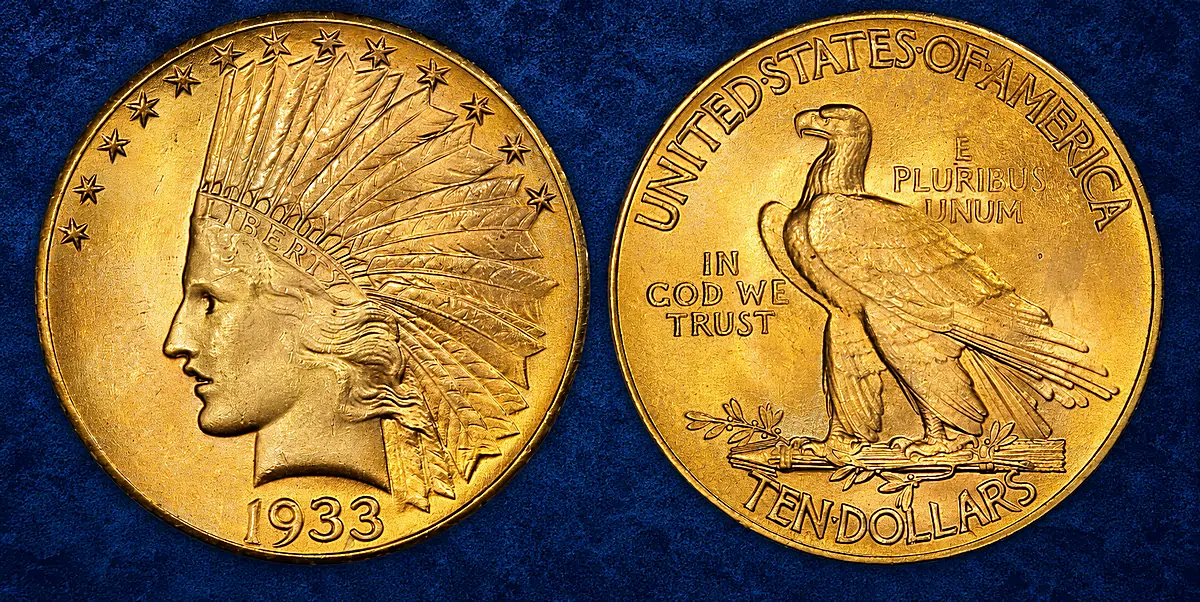
That result stands out sharply against a recent non-CAC comparison. On February 3, Stack’s Bowers auctioned a PCGS MS-66 1933 $10 gold eagle without a CAC sticker for $960,000.
CAC MS-68 Buffalo Nickel Brings a Major Premium
Next, Heritage sold a 1913 Type One Buffalo nickel graded MS-68 and approved by CAC on April 29. The coin brought $26,840.
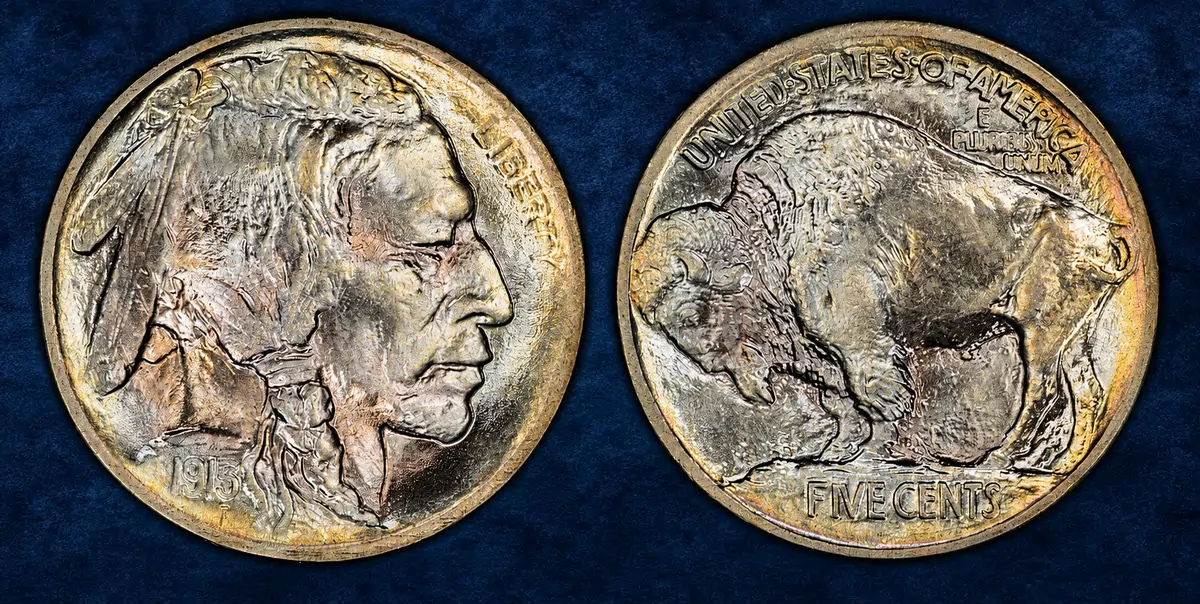
The price far exceeded two recent non-CAC examples. On January 15, Heritage auctioned an NGC MS-68 1913 Type One Buffalo nickel without a CAC sticker for $2,562.
Also, on September 21, GreatCollections sold a PCGS MS-68 1913 Type One Buffalo nickel without a CAC sticker for $5,105.
CAC Standing Liberty Quarters Bring Large Premiums
Heritage also offered several CAC-approved Standing Liberty quarters. These coins delivered some of April’s most striking comparisons.
1920-S Standing Liberty Quarter, MS-65 FH CAC
On April 29, Heritage sold a 1920-S Standing Liberty quarter graded PCGS MS-65 FH and approved by CAC for $79,300.
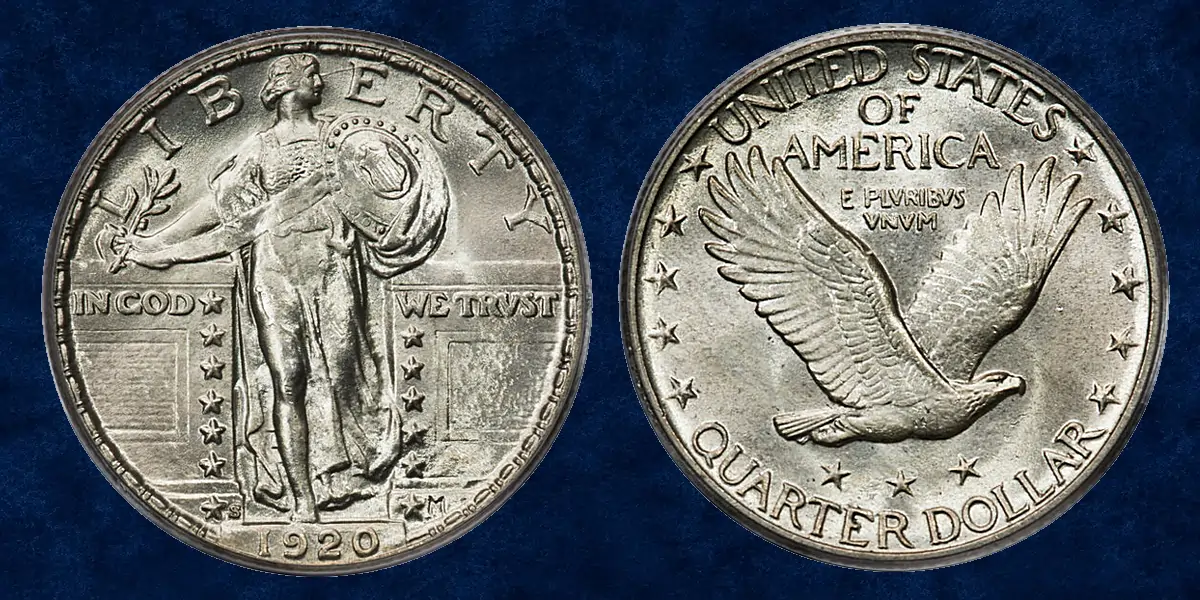
In the next lot, Heritage sold a PCGS MS-66 FH 1920-S quarter without a CAC sticker for the same price: $79,300.
As a result, the CAC-approved MS-65 FH coin matched the price of a non-CAC PCGS MS-66 FH coin.
Also, on December 14, GreatCollections sold a PCGS MS-65 FH 1920-S quarter without a CAC sticker for $23,650.
PCGS gave each of these coins a Full Head (FH) designation.
1927-S Standing Liberty Quarter, MS-64 FH CAC
On April 29, Heritage sold a CAC-approved MS-64 FH 1927-S Standing Liberty quarter for $207,400.
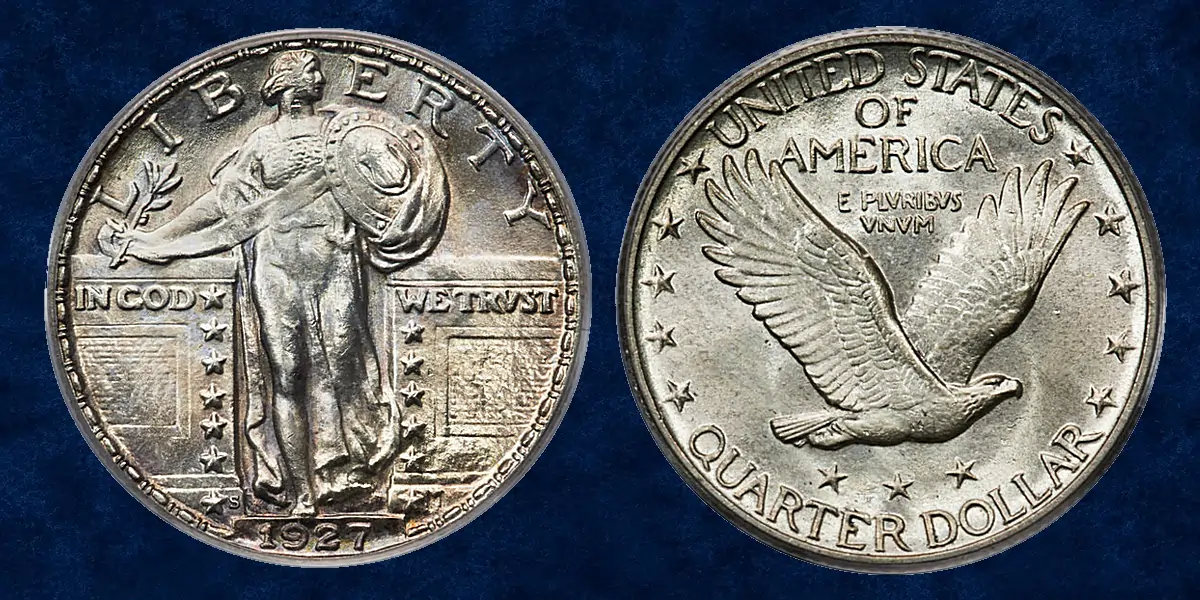
For comparison, Heritage auctioned a PCGS MS-64 FH 1927-S quarter without a CAC sticker on January 15, 2025. That coin brought $96,000.
Market levels rose only a little from January 2025 to April 2026. Even so, the CAC-approved MS-64 FH 1927-S quarter brought more than twice as much.
1929 Standing Liberty Quarter, MS-67 FH CAC
Heritage also sold a CAC-approved, PCGS-certified MS-67 FH 1929 Standing Liberty quarter on April 29. It realized $23,180.
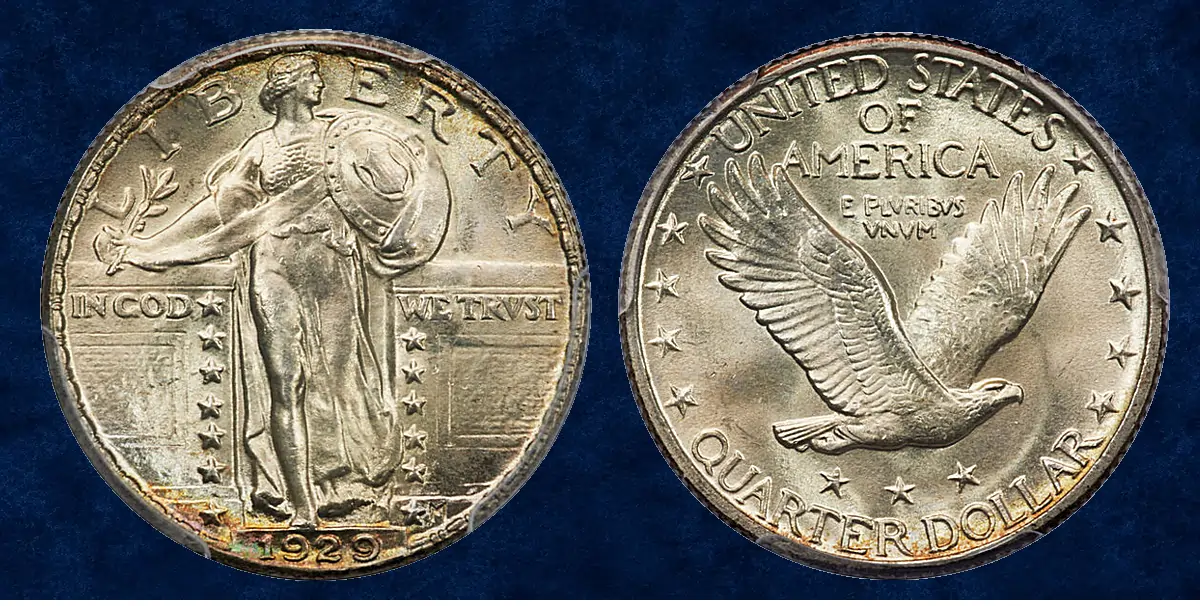
Recent non-CAC results came in much lower. On March 22, GreatCollections sold an NGC MS-67 FH 1929 quarter without a CAC sticker for $4,510.
Then, on November 16, GreatCollections sold a PCGS MS-67 FH 1929 quarter without a CAC sticker for $8,585.50
GreatCollections
GreatCollections also recorded strong CACG results in April. Several coins brought premiums over comparable PCGS-certified coins without CAC stickers.
1833 Classic Half Cent, CACG MS-61 BN
On April 5, GreatCollections sold a CACG-graded MS-61 1833 half cent for $777.70.
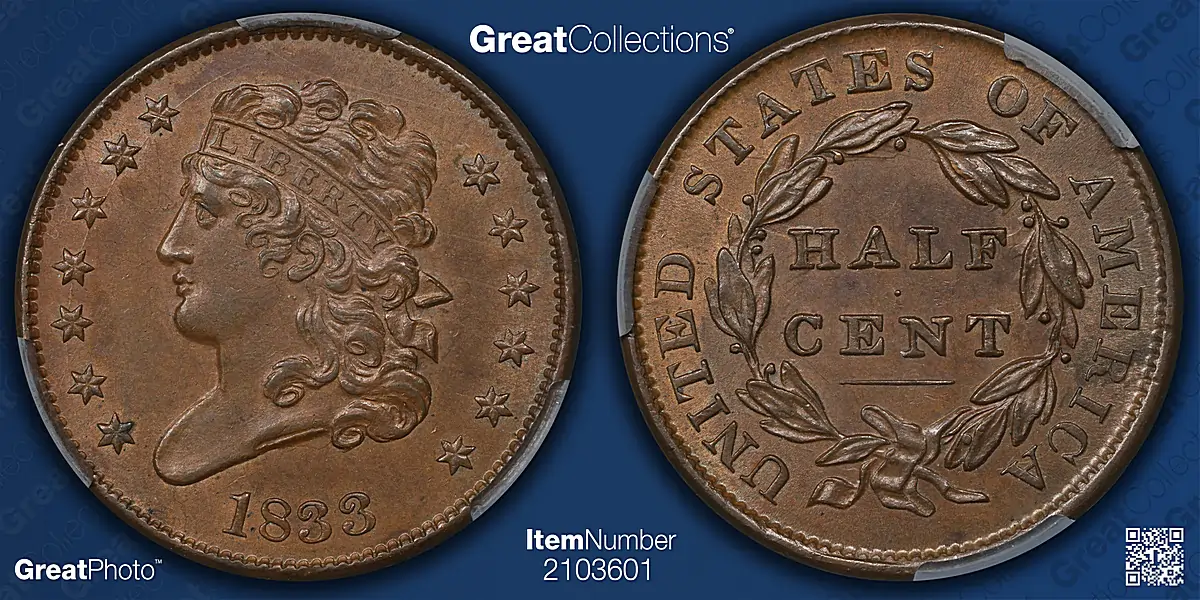
The next day, Stack’s Bowers sold a PCGS MS-61 1833 half cent without a CAC sticker for $366. That price came in at less than half the CACG result.
Also on April 6, Stack’s Bowers sold a PCGS MS-62 1833 half cent without a CAC sticker for $512.40.
Earlier, on January 11, GreatCollections sold a PCGS MS-62 1833 half cent without a CAC sticker for $583.
Therefore, the CACG MS-61 coin brought more than two PCGS MS-62 examples.
1943-S Steel Cent, CACG MS-67
On the same day, GreatCollections sold a CACG MS-67 1943-S steel cent for $224.40.
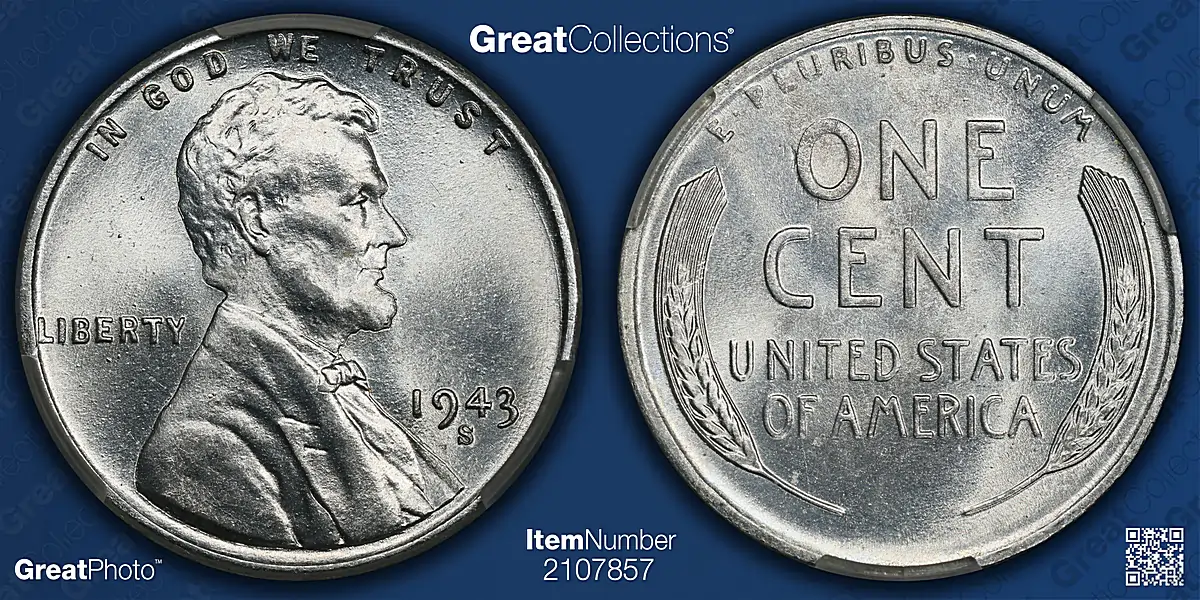
Six seconds later, GreatCollections sold a PCGS MS-67 1943-S steel cent without a CAC sticker for $170.50.
Then, three seconds after that, at 4:24:27 PM, GreatCollections sold a different PCGS MS-67 1943-S steel cent without a CAC sticker for $140.80.
1903 Liberty Nickel, CACG MS-65
Then, on April 12, GreatCollections sold a CACG MS-65 1903 Liberty nickel for $632.50.
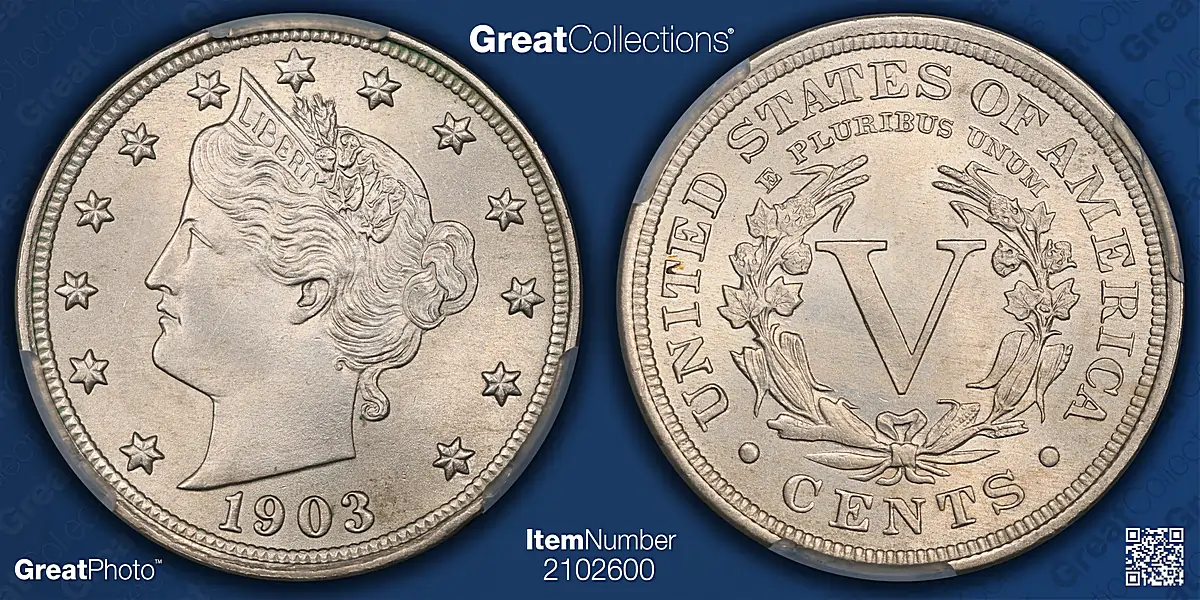
Two recent non-CAC examples brought less. On December 30, Heritage sold a PCGS MS-65 1903 nickel without a CAC sticker for $420.
Also, on September 24, Stack’s Bowers sold a PCGS MS-65 1903 nickel without a CAC sticker for $336.
Stack’s Bowers
Stack’s Bowers sales also showed clear CAC premiums in April. Copper, Lincoln cents, and Proof Mercury dimes all produced useful comparisons.
1818 Matron Head Large Cent, AU-55 CAC
On April 6, Stack’s Bowers sold a CAC-approved AU-55 1818 large cent for $610. The coin represents a very common die variety.
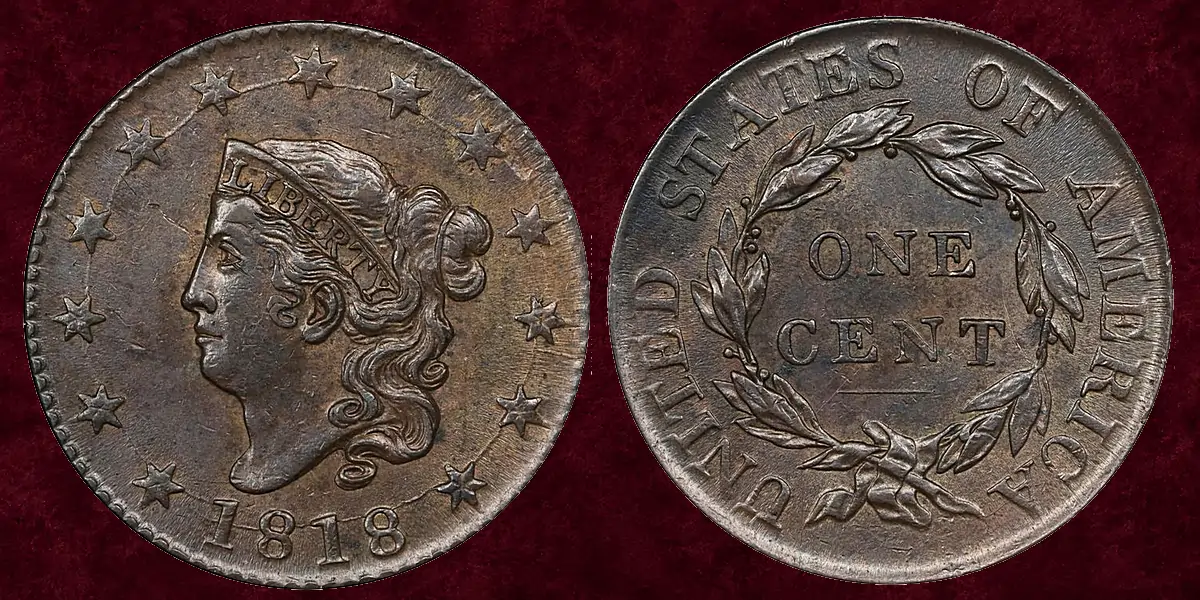
For comparison, Stack’s Bowers sold a PCGS AU-55 1818 large cent without a CAC sticker on September 24. That coin brought $360.
Even if market levels rose from September 2025 to April 2026, that increase would not explain most of the gap between $610 and $360.
1955/1955 Doubled Die Lincoln Cent, AU-55 CAC
In the same April 6 sale, Stack’s Bowers auctioned a CAC-approved AU-55 1955/1955 Doubled Die Lincoln cent for $3,416.
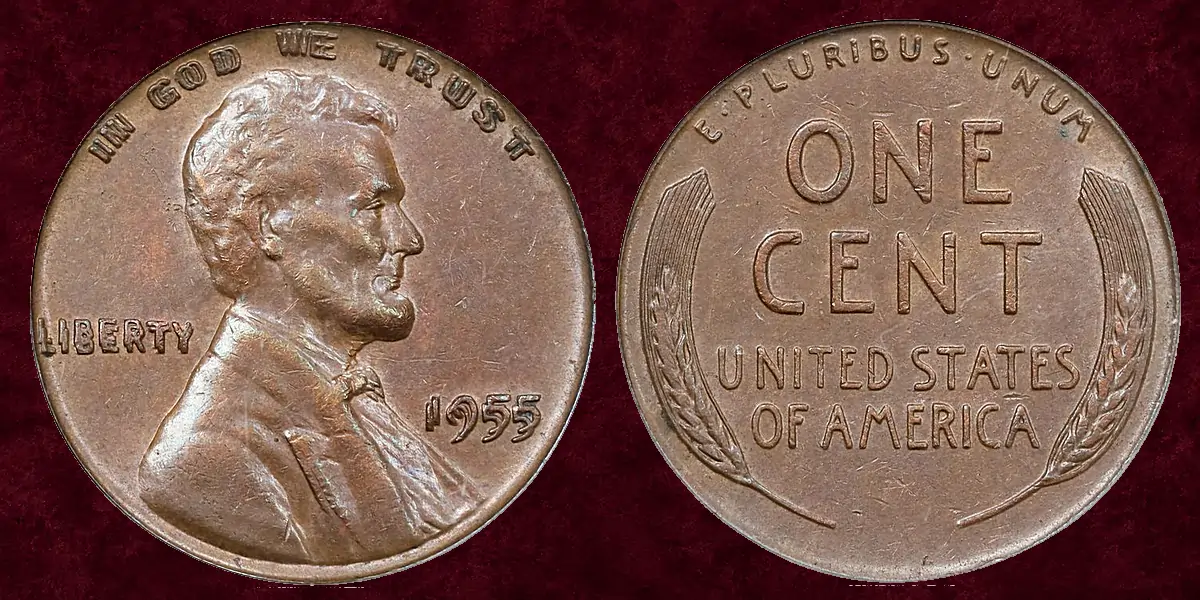
Six days later, on April 12, GreatCollections sold a PCGS AU-55 1955/1955 Doubled Die cent without a CAC sticker for $2,497.55.
1937 Proof Mercury Dime, Proof-67 CAC
On April 22, Stack’s Bowers sold two PCGS Proof-67 1937 Mercury dimes in consecutive lots.
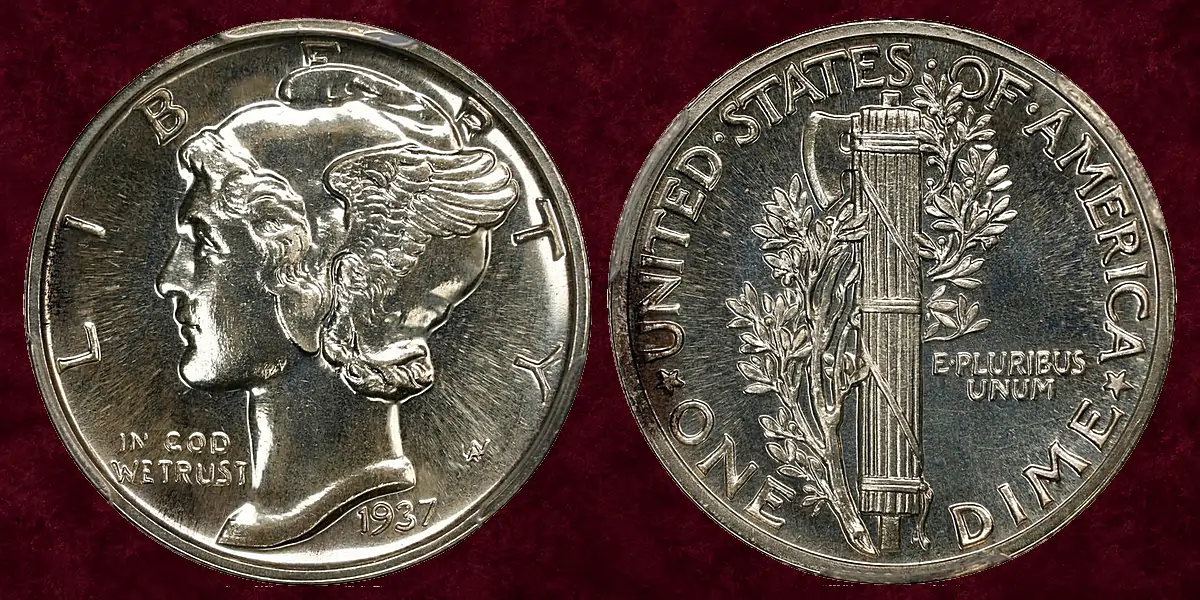
The coin with a CAC sticker brought $854. The other coin, which had no CAC sticker, brought $701.50.
David Lawrence Rare Coins
David Lawrence Rare Coins, also known as DLRC, posted three notable CAC-approved results in April. Each sale offered a useful comparison with a recent non-CAC coin.
1838 Half Dollar, AU-50 CAC
On April 19, DLRC sold a CAC-approved AU-50 1838 half dollar for $1,001.
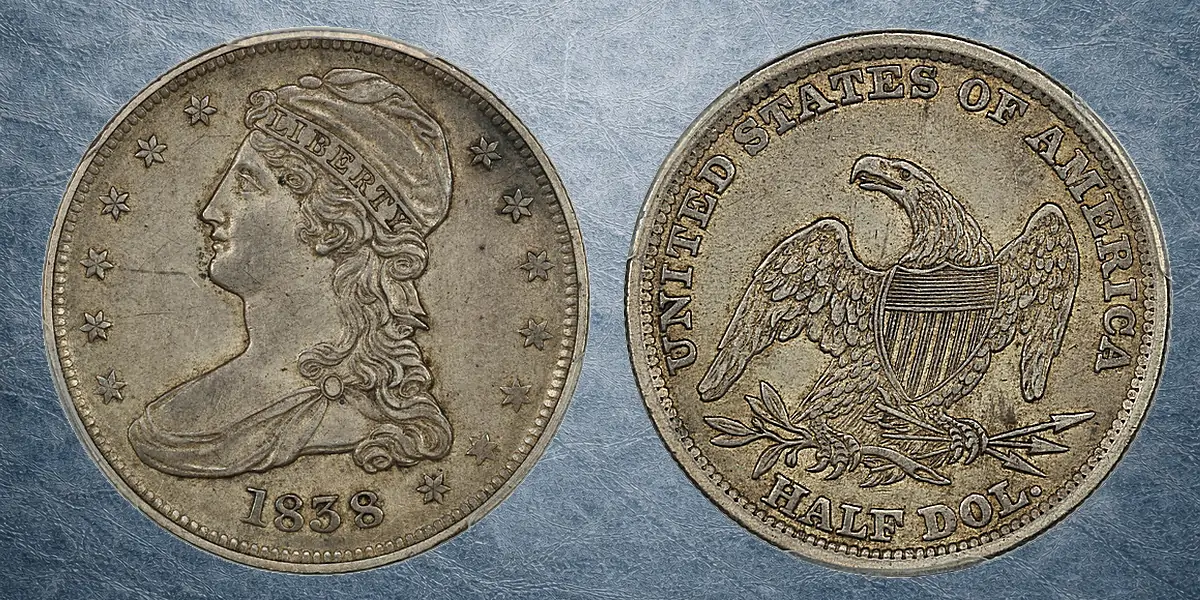
One week later, on April 26, GreatCollections sold a PCGS AU-50 1838 half dollar without a CAC sticker for $732.60.
1984 Doubled Die Lincoln Cent, MS-67 Red CAC
Then, on April 23, DLRC sold a CAC-approved MS-67 Red 1984 Doubled Die Lincoln cent for $1,330.
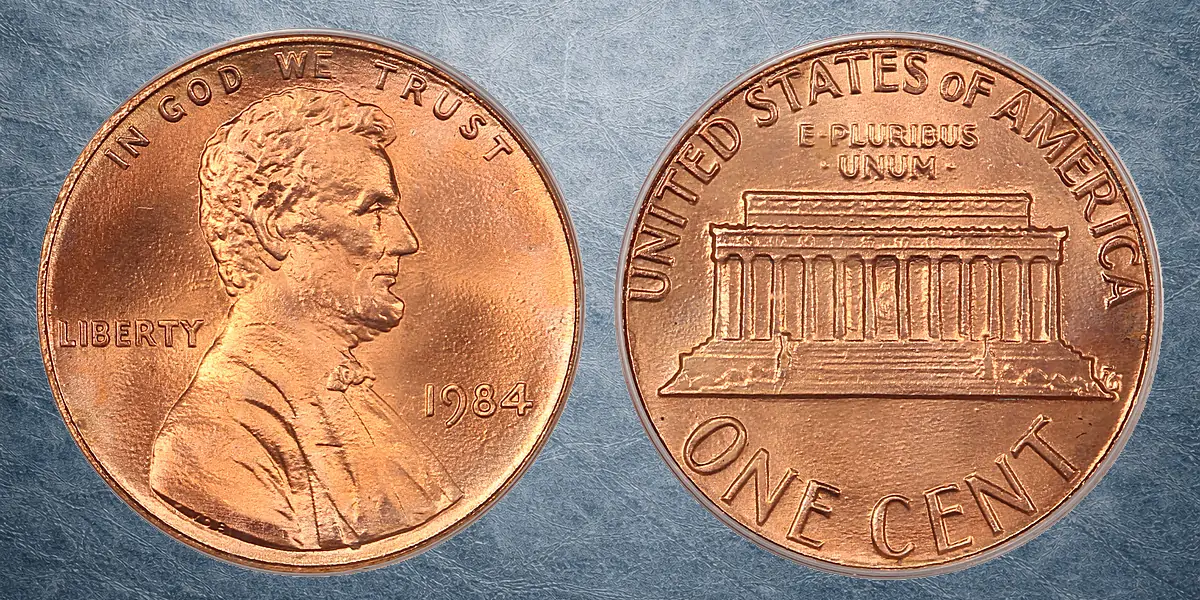
For comparison, GreatCollections sold a PCGS MS-67 Red 1984 Doubled Die Lincoln cent without a CAC sticker on February 8. That coin brought $444.40.
PCGS gave both coins a Full Red color designation.
1851 Three Cent Silver, MS-66 CAC
Finally, backtracking to April 5, DLRC sold a CAC-approved, NGC-graded MS-66 1851 Three Cent Silver for $1,950.
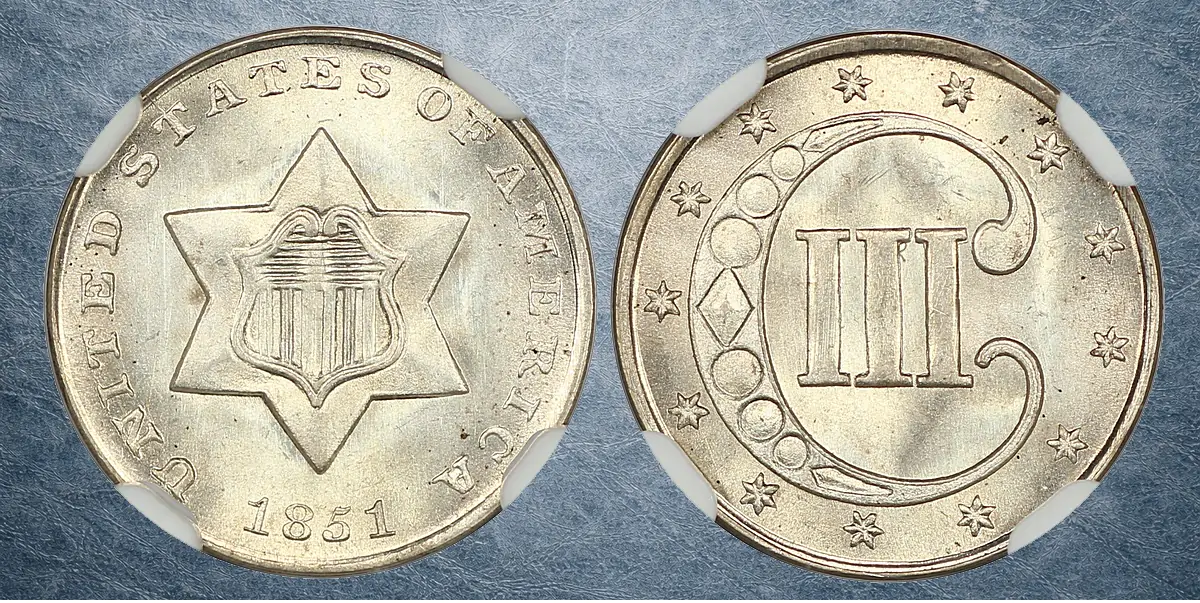
On December 14, GreatCollections sold a PCGS MS-66 1851 Three Cent Silver without a CAC sticker for $1,112.10.
CAC Coins Continued to Command Attention in April
These April 2026 results show how CAC approval and CACG encapsulation can influence bidder behavior. In several cases, CAC coins brought clear premiums over coins with the same numeric grade.
Moreover, some CAC coins matched or exceeded higher-graded non-CAC coins. That pattern appeared in the 1933 $10 gold eagle, the 1920-S Standing Liberty quarter, and the 1833 half cent.
As always, collectors should study each coin on its own merits. Grade, eye appeal, strike, originality, rarity, and market timing all matter. Even so, these April results show that CAC-approved and CACG-graded coins remain a major force in the certified coin market.




I have a lot of coins.
Not a fan of cac, but if the value is there…
Wild to see how strong CAC premiums were this month
Price list pleasr
A gold eagle coin is on my dream list. Hopefully, someday I can aquire one.
Steel cents still getting love CACG MS‑67 beating two PCGS examples back‑to‑back is wild.
Great month for CAC collectors lots of strong confirmations of the premium.
CAC often beats higher grades quality over numbers every time.
I’m looking to sell some (4) Indian Head/Bufalio Nickels, 10 regular one cent wheat pennies and 3 silver.
Could you let me know who would be interested in buying them for a reasonable price. My uncle who was a coin collector past away several years ago and I’m just trying to liquidate his assets.
My email address:
Are coins that should have a mint but missing valuable?
@Sonia Fernandez: I assume you’re referring to mint *marks*, because all circulating coins are produced at a mint :)
It’s important to be familiar with US mint mark practices and how they’ve changed over time. A good reference is the famous “Red Book”, fully titled A Guide Book of United States Coins, that lists essentially every US coin and mint mark combinations. The major takeaways:
> Mint mark positions weren’t standardized until 1968. Most but by no means all coins had their mint marks on the reverse side, while some – most notably Lincoln cents – displayed the mint mark on the obverse (front) side. There were even a few instances where mint mark positions were changed during a particular design’s lifetime.
> Beginning in 1968, though, the Mint decided to place all circulating coins’ mint marks on the obverse side, usually near the date … but even that change has exceptions: modern brass $1 coins display their mint marks on the edge, where they’re very difficult to see.
> For historical reasons, coins made at the Philadelphia Mint didn’t display any type of mint mark until WWII, when the famous war nickels showed a large P over Monticello’s dome. That practice ended in 1945, leaving Philadelphia coins “plain” once again.
> Starting with 1979/1980 coins, Philadelphia products finally were given a P mint mark – but again, with an exception. All 1-cent coins made in Philadelphia remained plain – but with an exception to the exception (!) when all 2017 Philly cents sported a P mint mark. Simple, huh?!
The bottom line is that the many breathless ads seen on various websites advertising “rare 1964 cents” or “1975 error nickels” with “missing mint marks” are nothing but traps set to trick the unwary into paying handsomely for perfectly ordinary coins from the city of soft pretzels and Eagles.
I have a lots of coin I have,50 coin, dollar sliver dollar general , Penny 1984 also has Penny on the other side wheat coin
CAC sticker makes a difference for sure.
Wowwwwwwwww what a great looking gold coin.
This site has great information. Glad I ran across it!
The 1933 $10 gold eagle that sold for $1.586 million was one of the lucky survivors of FDR’s Gold Order of 1933.