


Shipwrecks and buried treasure still fire the imagination. Yet real treasure carries history, legal risk, and ethical responsibility.
Lost treasure has always stirred the imagination.
Robert Louis Stevenson gave readers pirate gold. Indiana Jones made lost artifacts feel urgent, dangerous, and thrilling. Together, these stories shaped how many people picture buried treasure: exotic riches, a bold adventurer, and a perfect discovery at the end of the trail.
However, real treasure rarely works that way.

Yes, people still find remarkable hoards. In 2013, a California couple found the Saddle Ridge Hoard while walking on their own property. The find included eight cans of 19th-century gold coins, many in exceptional condition. Reports valued the hoard at about $10 million.
Likewise, ancient coin hoards still turn up across Europe. In Britain, the Portable Antiquities Scheme has recorded more than 1.4 million objects found by the public. The British Museum also reported a record year for treasure finds in 2024.
Still, every treasure story carries another side. Discovery can lead to high costs, court fights, ownership disputes, and hard ethical questions.
That does not make the stories less compelling. In fact, it often makes them more important.
Lost Treasure Beneath the Sea
The ocean still hides much of the human past.
NOAA reports that, as of April 2026, only 28.7% of the global seafloor had modern high-resolution mapping. That figure refers to mapping with tools such as multibeam sonar. Physical exploration covers far less.
That leaves a vast stage for maritime history.
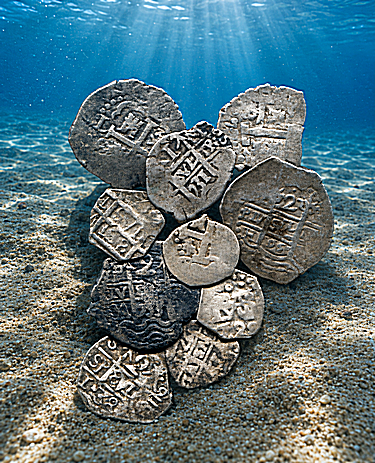
For thousands of years, storms, naval battles, reefs, fire, and human error sent ships to the seafloor. Many carried coins, bullion, jewels, trade goods, weapons, tools, and personal possessions. Some carried the wealth of empires. Others carried the wages of ordinary people.
Precise estimates for undersea treasure remain speculative. Still, no serious observer doubts that coins and precious metals from many eras remain beneath the waves.
However, finding them takes far more than luck.
Treasure hunters must first identify a likely wreck site. Then they must locate the wreck, often across huge search areas. After that, they must reach it. Deep water adds pressure, darkness, danger, and cost.
Modern expeditions often need sonar, remotely operated vehicles, specialized ships, conservation teams, lawyers, insurers, and investors. As a result, the business structure can become as complex as the recovery itself.
Weather adds another hurdle. Hurricanes, currents, tropical storms, and seasonal sea conditions can close a search window quickly. Meanwhile, piracy still creates risk in some waters. The International Maritime Bureau reported that global maritime piracy and armed robbery increased in 2025.
So, the romance remains real. But so do the complications.
Famous Shipwreck Treasure Finds
Some shipwreck stories have reached near-legendary status.
The 1715 Treasure Fleet remains one of the best-known examples. A hurricane struck off Florida on July 31, 1715, and sank Spanish treasure ships along what collectors now know as the Treasure Coast. Modern recoveries still continue. In 2025, salvors recovered more than 1,000 gold and silver coins believed to come from the fleet.
Then there is the Nuestra Señora de Atocha.
The Spanish galleon sank in 1622 near the Florida Keys. After a long search, Mel Fisher’s team located the Atocha’s main cargo area on July 20, 1985. The find included silver bars, coins, gold, emeralds, and other artifacts. Contemporary estimates often place the recovered treasure around $400 million to $450 million, not “billions.”
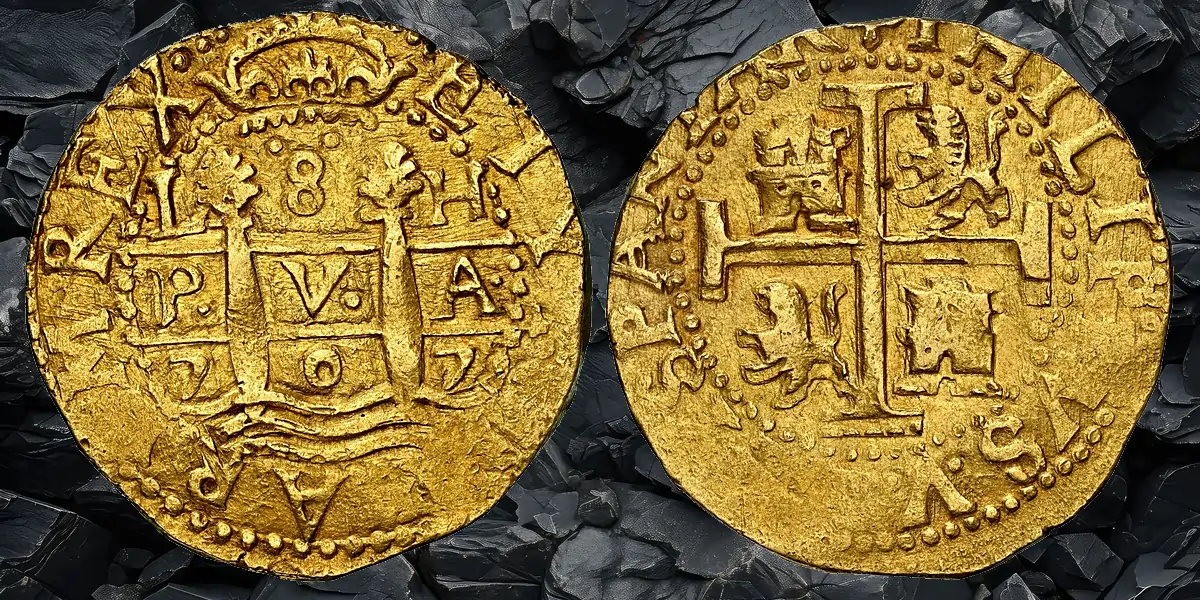
These finds matter because they connect collectors to a specific moment in history. A shipwreck coin carries more than metal content. It carries a journey, a disaster, a recovery, and a documented second life.
For numismatists, that story can matter as much as the coin itself.
[IMAGE PLACEHOLDER: Nuestra Señora de Atocha coins or Spanish colonial silver]
The SS Central America: Success, Tragedy, and Litigation
No American shipwreck story shows the power and peril of treasure better than the SS Central America.
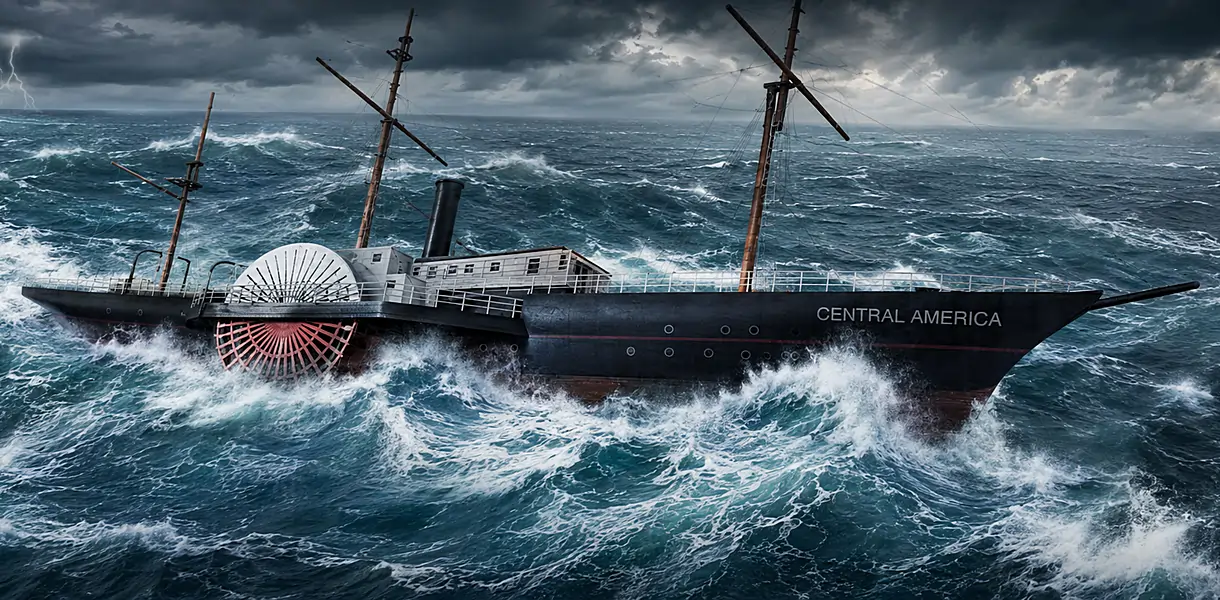
The sidewheel steamer sank in September 1857 during a hurricane. More than 400 passengers and crew died. The ship also carried California Gold Rush treasure, including coins, ingots, and gold dust. The loss shocked the American economy and contributed to the Panic of 1857.
For more than a century, the wreck sat deep in the Atlantic.
At first, the find looked like a triumph.
Then the lawsuits began.
Insurance companies, investors, and crew members fought over the recovered treasure and its proceeds. Thompson later went into hiding. Authorities arrested him in 2015 after he failed to account for 500 missing gold coins. Courts jailed him for contempt after he refused to reveal their location. He left federal custody in March 2026, but reports state that the missing coins remain unaccounted for.
That story shows why shipwreck treasure can become a burden. Discovery may create value. Yet it can also create decades of legal conflict.
Related GOVMINT Products
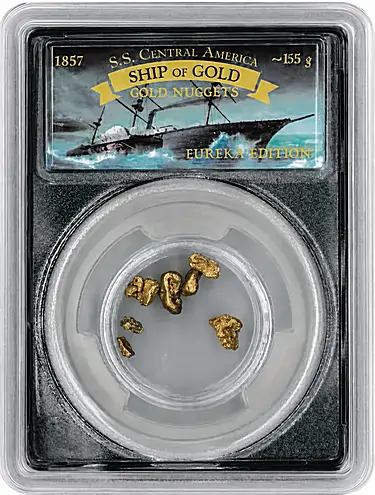
Collectors who want a direct connection to the SS Central America can look for certified pieces with clear provenance.
Related product: SS Central America 1.5-gm Gold Nuggets PCGS-Certified with Bob Evans Signature. GOVMINT describes these as California Gold Rush nuggets recovered from the SS Central America and certified by PCGS.
Related product: 1820–1821 Capped Bust Dime SS Central America Shipwreck 2-pc Set PCGS AG–G with Bob Evans Signature and Gold Pinch. GOVMINT describes the set as genuine SS Central America shipwreck coins certified by PCGS and paired with recovered gold dust.
Who Owns Shipwreck Treasure?
Ownership often creates the hardest question.
Location matters first. In the United States, the Abandoned Shipwreck Act gives the federal government title to qualifying abandoned shipwrecks in certain submerged lands, then transfers that title to the state where the shipwreck sits. Federal summaries commonly describe state waters as generally extending three nautical miles from shore.
However, not every wreck qualifies as abandoned. Also, not every wreck lies in simple waters.
International law adds more complexity. UNESCO’s 2001 Convention on the Protection of the Underwater Cultural Heritage created a framework for underwater cultural heritage that has stayed underwater for at least 100 years.
Then come insurance claims, salvage contracts, national ownership claims, and cultural heritage laws. Therefore, a treasure chest can open directly into a courtroom.
The San José and the Modern Fight Over Treasure
The Spanish galleon San José shows how fierce these disputes can become.
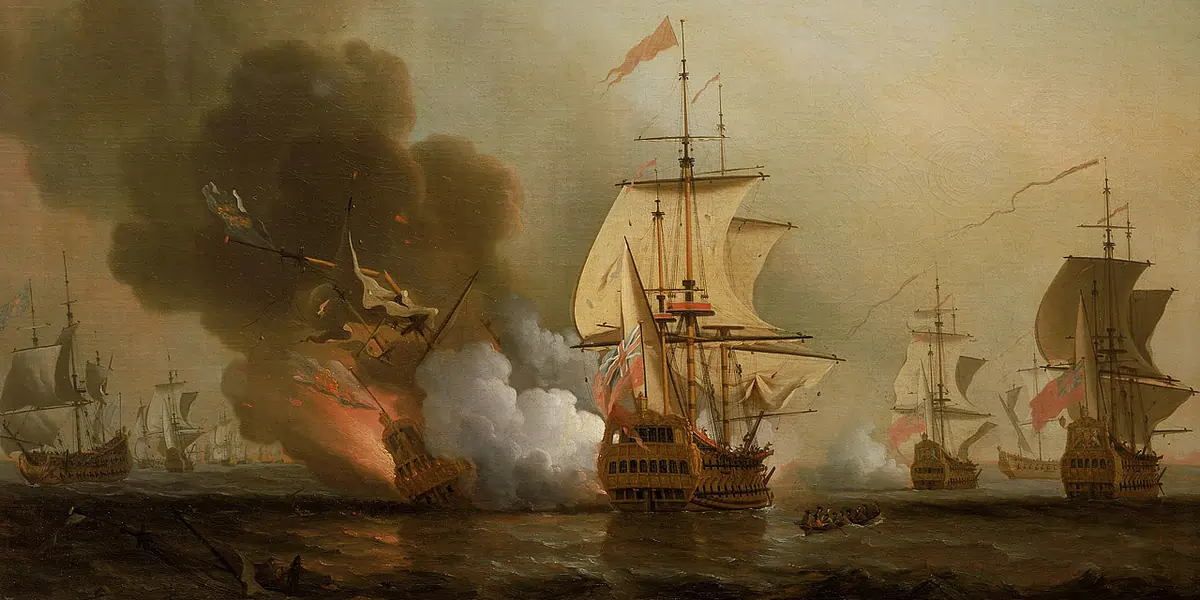
A British squadron attacked the San José in 1708 off Colombia’s Caribbean coast. The galleon sank with coins, emeralds, and other cargo. Colombia announced the wreck’s discovery in 2015. Many estimates place its potential treasure value in the billions.
Yet the wreck has not produced a simple recovery story.
Colombia, Spain, the U.S.-based company Sea Search Armada, and Indigenous groups have all asserted interests in the wreck or its cargo. The dispute has reached the Permanent Court of Arbitration. Meanwhile, Colombia has emphasized research and conservation rather than commercial treasure recovery.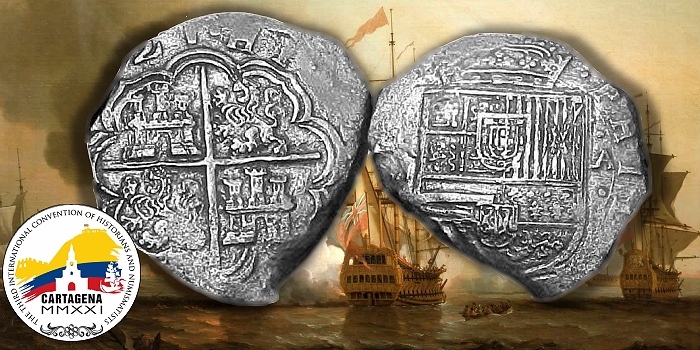
In late 2025, Colombian scientists recovered a cannon, three coins, and a porcelain cup during a government-authorized expedition. The project focused on research, conservation, and the causes of the sinking.
So, the San José remains more than a treasure story. It is also a story about colonial history, sovereignty, archaeology, and memory.
Treasure Also Raises Ethical Questions
Treasure hunters must also respect the dead.
Many shipwrecks mark the final resting place of passengers, sailors, soldiers, and crew. Their artifacts deserve careful treatment. Coins and bullion may attract attention, but wrecks also preserve human stories.
The Abandoned Shipwreck Act grew from concerns over damage to historic wrecks in places such as the Great Lakes and along U.S. coasts. Lawmakers wanted states to protect resources, habitats, and historic shipwreck sites.
Military wrecks raise still another issue. The U.S. Sunken Military Craft Act protects U.S. government-owned sunken military craft from unauthorized disturbance. It also helps protect qualifying foreign military craft in U.S. waters.
Therefore, collectors should not view every recovered coin as equal. Legal recovery, documentation, and respect for context matter.
That brings us back to provenance.
Why Provenance Matters in Numismatics
In numismatics, provenance means the documented origin and ownership history of a coin.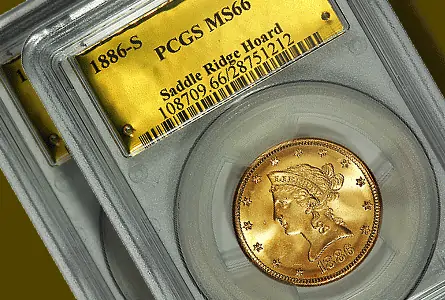
For shipwreck coins, provenance can include the wreck, recovery date, recovery company, conservation record, grading service, certificate, label, auction history, and prior owners. Together, those details help establish authenticity and integrity.
For responsible collectors, provenance is not a decorative extra. It protects the collector, the market, and the historical record.
A coin without a clear story may still have value. Yet a coin with verified provenance can carry greater trust and stronger appeal. That matters especially when the coin comes from a famous shipwreck, an ancient hoard, or a historic recovery.
GOVMINT and Verified Provenance
Buying from a reputable dealer matters.
GOVMINT sources coins from government mints around the world. It also offers ancient coins, high-end rarities, and collector pieces with documented histories.
GOVMINT states that it works with coins authenticated, certified, and graded by major third-party grading services such as Numismatic Guaranty Company (NGC) and Professional Coin Grading Service (PCGS). NGC describes itself as the world’s largest third-party coin grading service, and PCGS describes its work as grading and authentication for collectible coins.
Many GOVMINT items also include a Certificate of Authenticity when applicable.
That process matters because shipwreck treasure needs more than romance. It needs proof.
The Real Power of Shipwreck Treasure
Shipwreck treasure still fascinates us for good reason.
It connects adventure with history. It turns coins into witnesses. It lets collectors hold objects that survived disaster, darkness, saltwater, and time.
Yet the real story goes beyond the glitter. Treasure can bring litigation, ethical pressure, conservation challenges, and competing claims. It can also force collectors to ask hard questions about ownership and responsibility.
That does not weaken the appeal.
Instead, it deepens it.
For coin collectors, the best treasures do more than shine. They carry a documented story. They respect the past. And they remind us that every great coin has traveled through history before it ever reached our hands.
Visit the GOVMINT website at: https://www.govmint.com and signup for our catalog: Request a Free GOVMINT Catalog | Shop Rare Gold, Silver & Certified Coins





I have started to have interest in shipwreck coins. The history is what is so appealing to me.
Interesting information. I never knew it was so complicated to find treasures.