Lost in a 1715 Hurricane, This Gold Royal Returns at Sedwick Auction 40
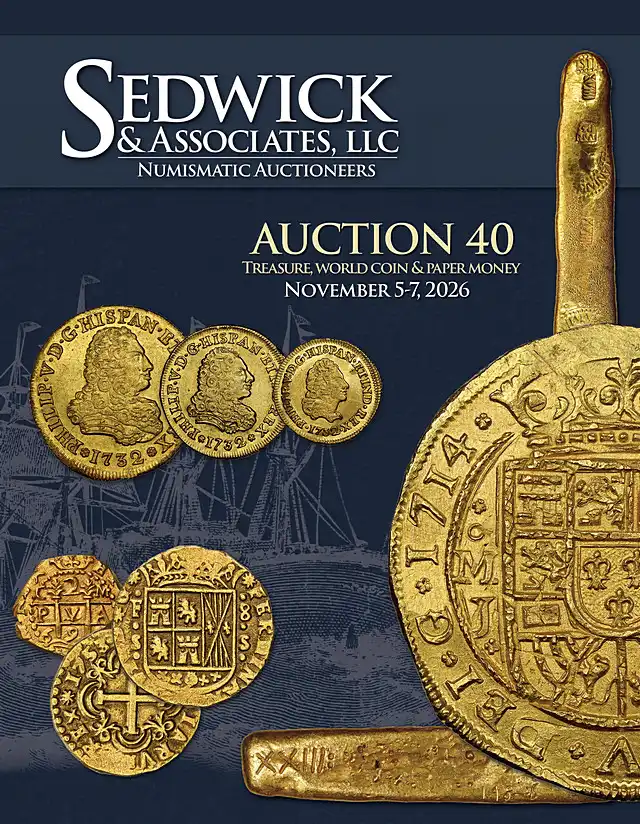
A gold coin struck in Mexico City in 1714 survived one of the greatest maritime disasters in Spanish colonial history. More than 300 years later, it will take center stage in Sedwick Auction 40, November 5–7, 2026.
The remarkable survivor is a 1714 J Royal 8 escudos from the legendary 1715 Fleet. However, the coin represents only one chapter in an auction that spans centuries of numismatic history.
Sedwick & Associates will offer nearly 1,950 cataloged lots across six sessions. The sale includes more than 500 shipwreck coins, gold and silver ingots, early colonial rarities, ancient coins, historical artifacts, medals, and world paper money.
Chilean and Colombian numismatics also take a prominent place. Furthermore, several coins carry important pedigrees, exceptional certified grades, or rarity claims supported by decades of numismatic research.
Together, these offerings tell a larger story about the wealth, ambitions, and sometimes disastrous consequences of Spain’s colonial empire.

A 1714 Gold Royal and the Disaster of the 1715 Fleet
In July 1715, a powerful hurricane struck a Spanish treasure fleet along Florida’s Atlantic coast. The storm destroyed ships carrying valuable cargo from Spain’s American colonies and trade networks.
The disaster claimed hundreds of lives. Yet centuries later, salvors recovered remarkable evidence of the fleet’s final voyage.
Among the discoveries were gold coins that had survived beneath the sea for generations.
One of those coins now headlines Sedwick Auction 40.
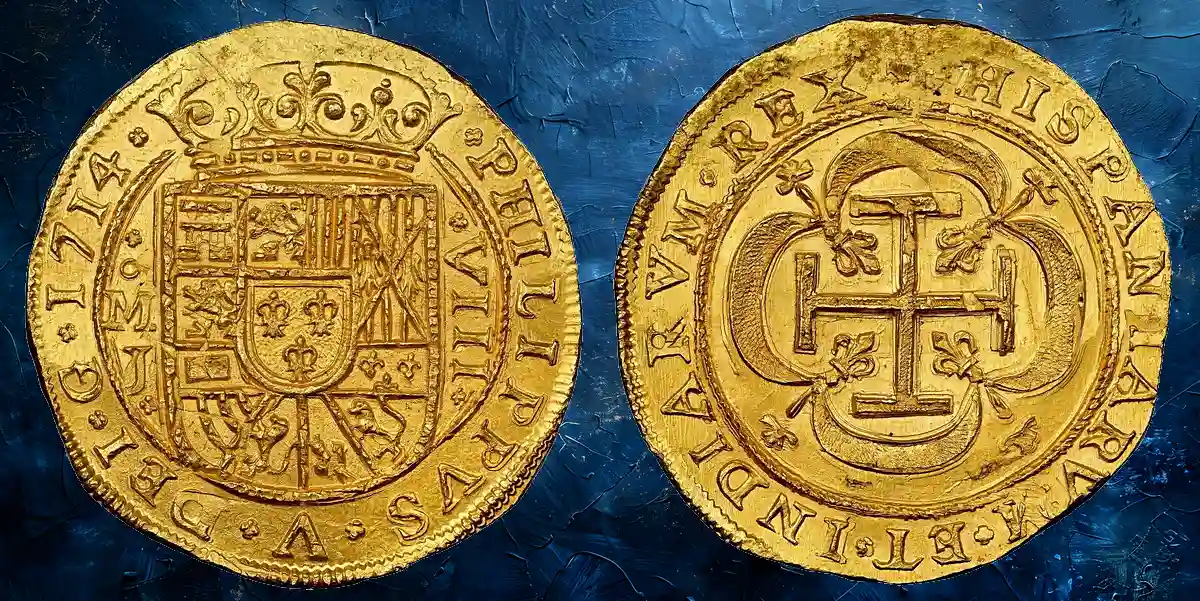
Lot 21 features a Mexico City 1714 J gold Royal 8 escudos, graded NGC MS 65. The coin weighs 26.94 grams and dates to the reign of Philip V.
Unlike ordinary colonial cobs, which often display irregular shapes and incomplete designs, Royals offered carefully executed strikes on unusually round planchets. Collectors also know these special coins by the Spanish term galanos.
The auction specimen displays unusually complete legends, sharp central details, and rich gold color. Moreover, its surfaces show no apparent wear or significant shipwreck damage.
According to Sedwick’s research, only 10 examples of this 1714 Royal variety are known. The auction house also identifies the specimen as one of the finest certified survivors.
With an estimate of $200,000 to $400,000, the coin stands among the sale’s most important offerings.
Its appeal extends beyond condition and rarity. Mint workers created the coin in 1714. A year later, the Atlantic claimed the ship carrying it.
That remarkable sequence gives the coin a history few numismatic treasures can match.
A Colombian Gold Cob With a Pedigree Reaching Back to 1936
Another exceptional gold coin carries a very different story.
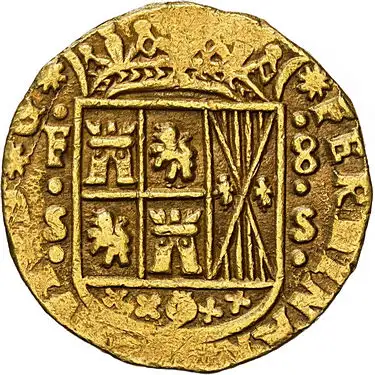
Lot 39 presents a Bogotá 1753 cob 8 escudos, graded NGC AU 55. The 27.00-gram coin dates to the reign of Ferdinand VI and bears the mark of assayer Sebastián de Rivera.
Its unusually round form and strong design details make it particularly attractive. However, its documented ownership history adds another layer of importance.
Several respected numismatic references illustrate this specimen. Furthermore, its recorded auction pedigree reaches back to Madrid in March 1936, just months before the outbreak of the Spanish Civil War.
For collectors who value provenance, that history provides a documented connection between today’s market and an earlier generation of European numismatists.
The gold cob section also includes coins from mainland Spain, Mexico, and other South American mints.
The Year Everything Changed: Mexico’s First Machine-Struck Gold
Some of the most historically important coins in Sedwick Auction 40 share a single date: 1732.
That year marked the introduction of machine-struck gold coinage at the Mexico City Mint. The new production methods represented a major departure from the irregular, individually struck cobs that had dominated earlier colonial issues.
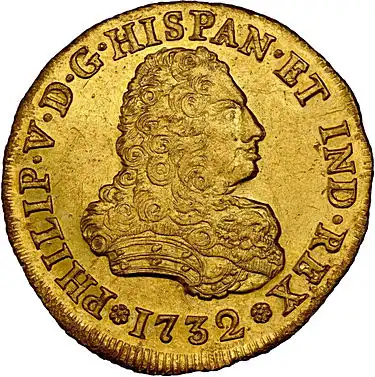
Three examples from this landmark first year will appear in consecutive lots.
Lot 1205 offers a 1732 gold 4 escudos graded NGC MS 60. Lot 1206 features a 1732 gold 2 escudos graded NGC AU 58. Finally, lot 1207 presents a 1732 gold 1 escudo graded NGC MS 61.
Sedwick identifies all three as outstanding examples within their respective NGC certification populations.
The group also illustrates another connection between minting history and maritime disaster.
Examples of the 4 escudos and 1 escudo have pedigrees to the 1733 Fleet, which encountered a hurricane while sailing through the Florida Keys.
Consequently, these coins connect two defining events in Spanish colonial history: the modernization of American coin production and the destruction of another treasure fleet.
Collectors rarely encounter such a direct opportunity to study the beginning of machine-struck colonial gold across three denominations.
The Atocha, Santa Margarita, and the Wealth That Never Reached Spain
The auction’s shipwreck offerings reach back even further.
In 1622, a violent hurricane devastated part of a Spanish fleet in the Florida Keys. Among the lost vessels were the Nuestra Señora de Atocha and Santa Margarita.
Both ships carried precious metals and valuable merchandise toward Spain.
Centuries later, modern recovery operations revealed extraordinary quantities of silver, gold, and historical artifacts.
Sedwick’s sale includes coins and artifacts from the J. M. Morse III Collection, including material from the Atocha.
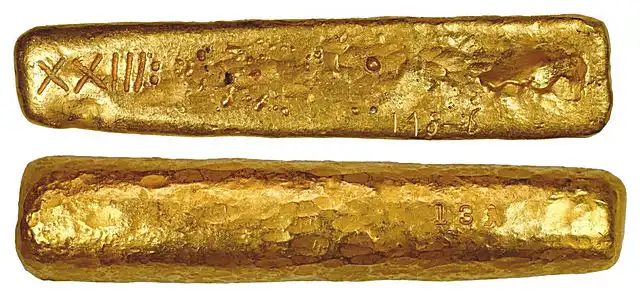
One standout is a substantial gold finger bar, lot 56, weighing 684 grams, or approximately 22 troy ounces. Its stamped fineness indicates 23.5-karat gold.
Another finger bar, lot 57, comes from the Santa Margarita. It weighs 546 grams and bears markings indicating 18-karat gold.
These unusual bars offer a direct look at how precious metal circulated through the Spanish colonial economy. Before bullion could reach European markets, workers cast, weighed, tested, and marked the metal for transport.
The sale also includes early silver tumbaga bars and substantial colonial silver ingots.
Meanwhile, the artifact sections feature gold jewelry, navigational instruments, silverware, porcelain, and other objects connected to maritime and colonial history.
One of the largest objects is lot 517, a nine-foot Spanish bronze naval cannon. Sedwick attributes the approximately 3,000-pound cannon to the Spanish Armada of 1588.
The objects demonstrate that shipwreck archaeology reveals much more than lost treasure. It also provides physical evidence of trade, navigation, craftsmanship, and daily life aboard vessels that crossed the Atlantic.
When Colonial Silver Refused to Follow the Rules
Not every historical rarity owes its appeal to a famous shipwreck.
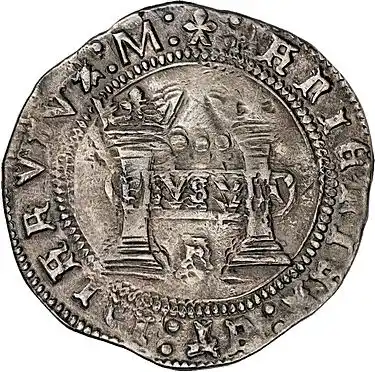
Some tell their stories through their shape, production methods, or unusual denomination.
The silver coin weighs 10.06 grams and carries a PCGS XF45 grade.
Mexico City produced these early 3 reales during the mint’s formative years in the 1530s. The denomination enjoyed only a brief period of production.
Three dots on this specimen identify its value.
According to Sedwick, the coin holds the highest grade assigned by either PCGS or NGC to this specific three-dot variety.
Its importance rests in its place near the beginning of coin production in the Americas.
The auction also features the Special Collection of Odd Shaped Mexican Cobs.
This unusual assemblage contains 67 pieces gathered over many years. Their irregular silver blanks display extended projections, elongated shapes, unusual edges, and natural holes.
The collection includes examples from the 1715 Fleet and other documented recoveries.
For modern collectors accustomed to perfectly circular coins, these pieces illustrate how much colonial production could vary from one strike to another.
Their shapes offer an unusually direct view of the practical challenges facing early mint workers.
Chilean Gold Rarities and the Portrait of the Wrong King
Chile represents another major specialty in the sale.
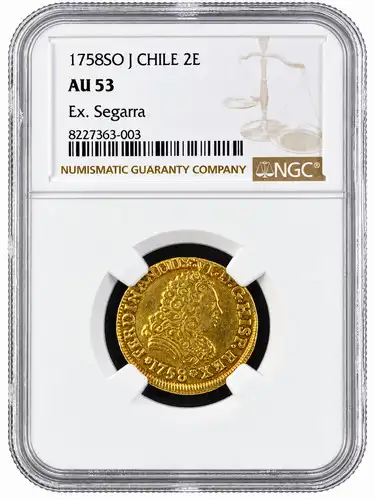
Sedwick has assembled significant examples of colonial gold in the challenging 4, 2, and 1 escudos denominations, alongside portrait silver and smaller denominations.
One coin stands apart for both rarity and an unusual royal portrait.
Lot 860 features a Santiago 1758 J gold 2 escudos graded NGC AU 53. The specimen comes from the Segarra Collection.
Although the coin names Ferdinand VI, its portrait depicts his predecessor, Philip V.
This distinctive combination makes the issue especially memorable.
Sedwick reports only three surviving examples and identifies the auction specimen as the finest in the NGC census. The coin also appears as an illustration in a standard catalog reference.
In addition, selections from the Val y Mexía Collection bring further depth to the Chilean offering.
Collectors of silver coinage will also recognize the significance of lot 916, a rare La Serena countermarked 4 reales with a pedigree to the celebrated Virgil Brand Collection.
Together, the gold and silver selections document a wide range of Chile’s colonial monetary history.
Colombia: From Rough Colonial Cobs to Republican Coinage
Colombian numismatics occupies one of the largest specialized sections of Auction 40.
Hundreds of coins trace the development of local coinage through early Bogotá and Cartagena cobs, colonial portrait issues, Republican gold and silver, and experimental patterns.
The offering includes both certified rarities and numerous uncertified pieces. As a result, it provides opportunities for advanced specialists as well as collectors seeking to explore less familiar denominations.
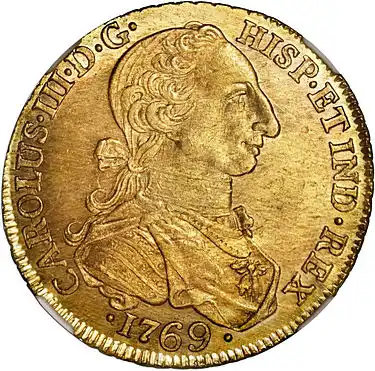
Among the important gold coins is lot 958, a Bogotá 1769 JV 8 escudos graded NGC MS 62.
Collectors know this Charles III variety by the nickname “rat nose,” a reference to the distinctive royal portrait.
The specimen weighs 26.96 grams. Sedwick identifies it as one of the finest known examples of the variety and traces its pedigree through an established numismatic collection.
The later Republican period also receives considerable attention.
Lot 1057 features an 1870 Popayán gold 10 pesos, while lot 1066 offers an 1869 silver 5 décimos.
These coins help carry the historical narrative beyond Spanish colonial rule and into the development of Colombia’s independent monetary system.
Moreover, pedigrees from important collections and previous auctions strengthen the appeal of numerous individual lots.
One of the Earliest Silver Rarities of the Americas
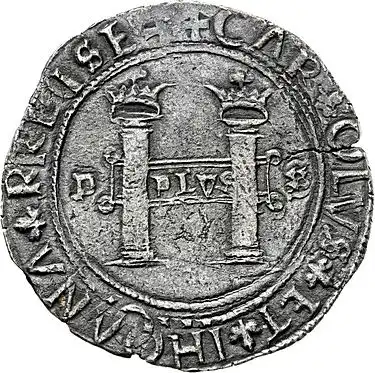
Another important colonial coin comes from Santo Domingo.
Lot 1113 features a Charles and Joanna 4 reales with the F assayer mark of Francisco Rodríguez.
The 12.43-gram silver coin comes from the Rudman Collection and appears in Calicó’s numismatic reference works.
Sedwick reports only five surviving examples of the type.
PCGS assigned this particular specimen a VF Details grade with a saltwater-damage designation. That distinction matters, especially for collectors comparing early colonial coins with different levels of preservation.
Santo Domingo’s early silver coinage remains an important part of the story of money in the Americas.
The mint’s issues also offer a different historical perspective from those of Mexico City, Bogotá, and Lima.
Rare Chilean and Colombian Banknotes Tell Another Story
Sedwick Auction 40 extends well beyond coins and bullion.
Its paper money section includes early Chilean local currency, private banknotes, fiscal overprints, and rare Colombian proofs, specimens, and private emissions.
Several pieces also appear in established specialist references.
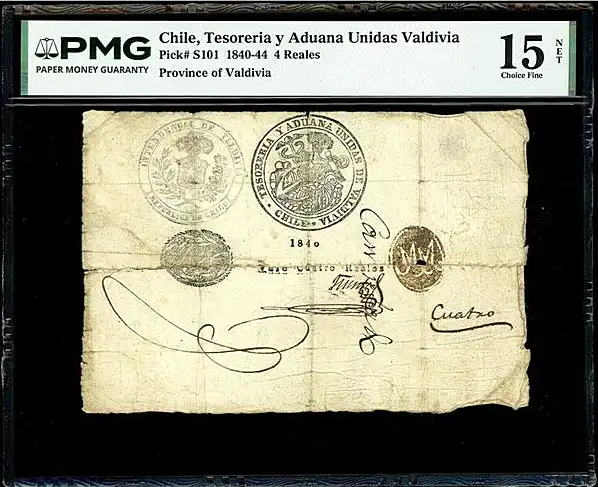
Lot 1472 presents an 1840 Valdivia 4 reales note, an important survivor from Chile’s early regional monetary history.
Colombia contributes two particularly notable 1875 issues.
Lot 1475 features a Banco de Colombia 50 pesos proof that Sedwick identifies as unique. The proof carries a PMG AU 53 grade.
Lot 1476 offers a Banco de Bogotá 10 pesos from the same year. Its rarity and historical context make it another important addition to the sale.
These notes reflect a period when local institutions and private banks played major roles in the development of South American finance.
For collectors, they also provide evidence of changing commercial networks, banking practices, and national economies during the 19th century.
Sedwick Auction 40: Dates, Sessions, and Bidding Information
Sedwick & Associates will conduct Treasure, World Coin and Paper Money Auction 40 from November 5 through November 7, 2026.
The November 5 and 6 sessions will feature floor bidding and live online participation. The final November 7 Express Session will take place online only.
All times are Eastern Standard Time.
- Thursday, Nov. 5 — Session I 9:00 a.m.
Gold cobs (1–55); shipwreck ingots (56–78); shipwreck coins (79–458) - Thursday, Nov. 5 — Session II 4:00 p.m.
Shipwreck artifacts (459–516); non-shipwreck artifacts (517–549); coin jewelry (550–575) - Thursday, Nov. 5 — Session III 6:00 p.m.
Mexico City silver cobs (576–669); Lima silver cobs (670–681); Potosí silver cobs (682–776) - Friday, Nov. 6 — Session IV 9:00 a.m.
Ancient and medieval coins (777–795); world coins by country (796–1400) - Friday, Nov. 6 — Session V 5:00 p.m.
Medals and decorations (1401–1438); paper money (1439–1508) - Saturday, Nov. 7 — Session VI 9:00 a.m.
Online-only Express Session (1509–1945)
The Express Session includes additional coins and collecting groups across a broad range of estimates.
Collectors can examine lot descriptions, images, certification information, pedigrees, and bidding details through the official Sedwick auction website.
Auction catalog and bidding: https://auction.sedwickcoins.com
Sedwick & Associates: https://www.sedwickcoins.com
From a gold coin lost in 1715 to early American silver, rare Chilean issues, Colombian banknotes, and recovered treasure, Auction 40 offers more than a collection of historical objects.
It brings together the surviving evidence of how precious metals, money, and trade helped shape the Americas.